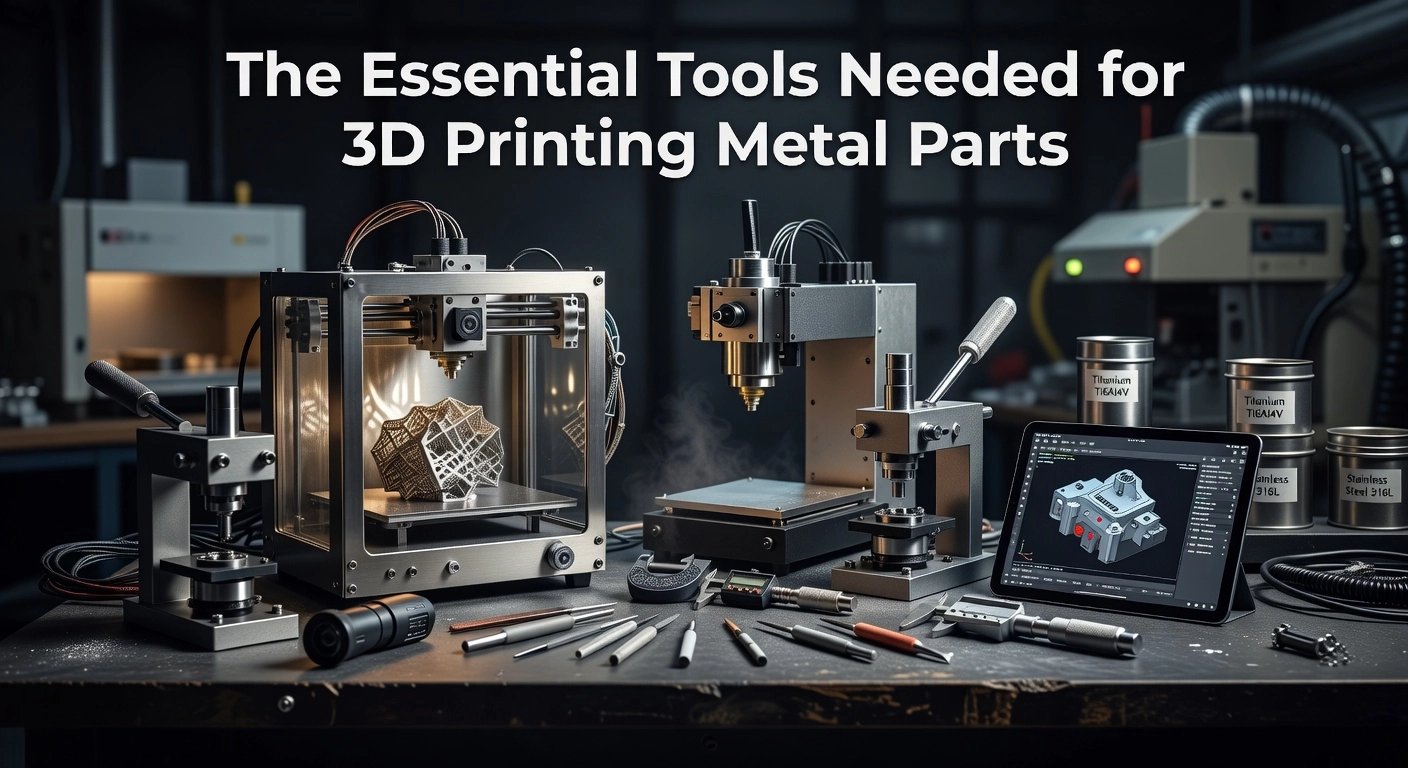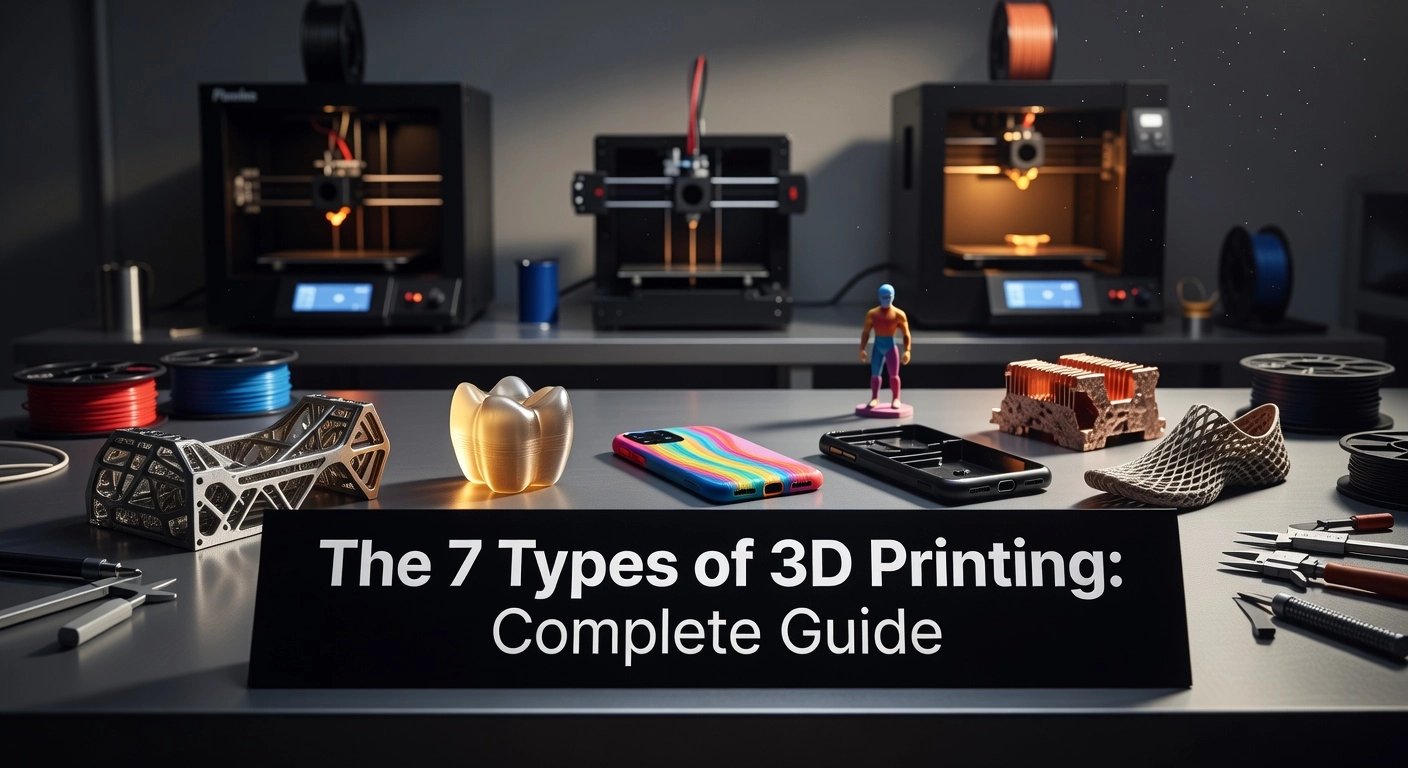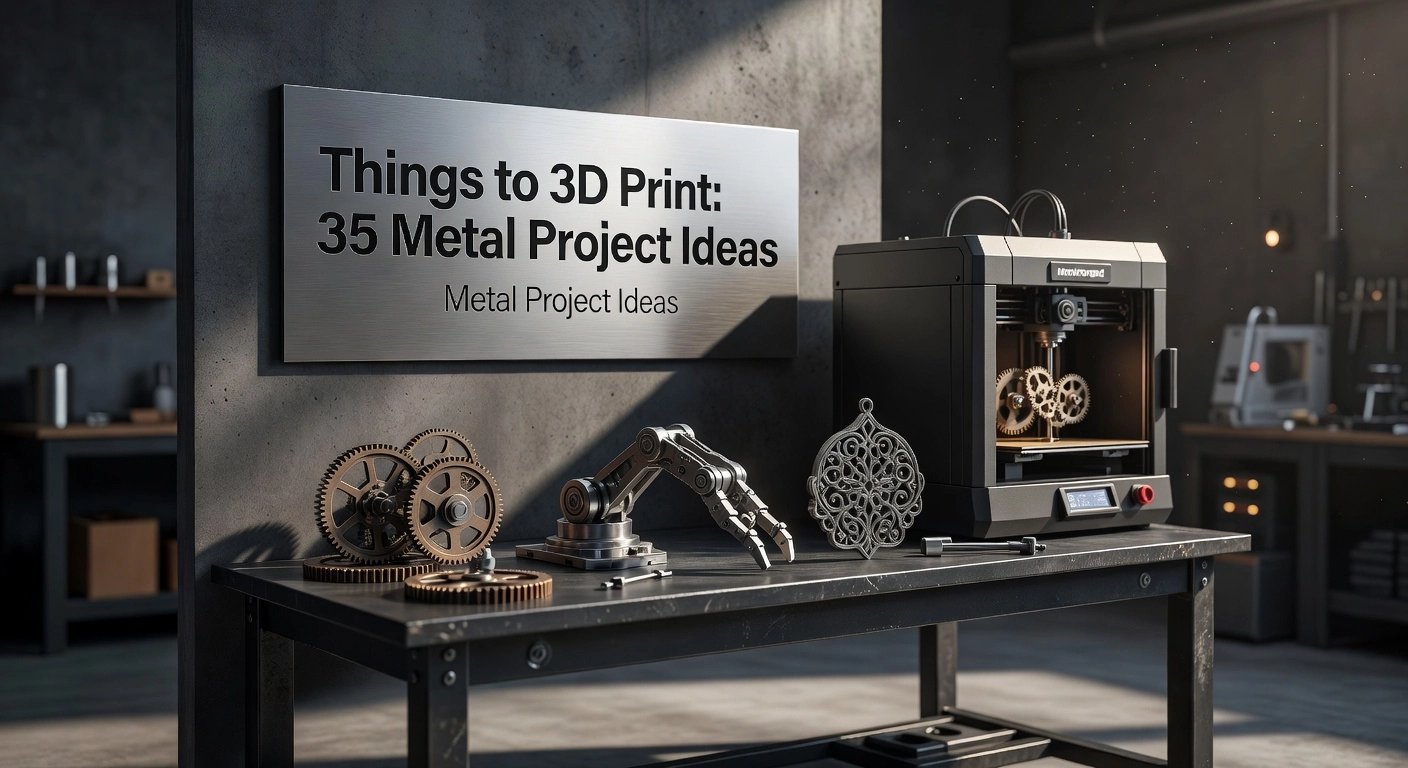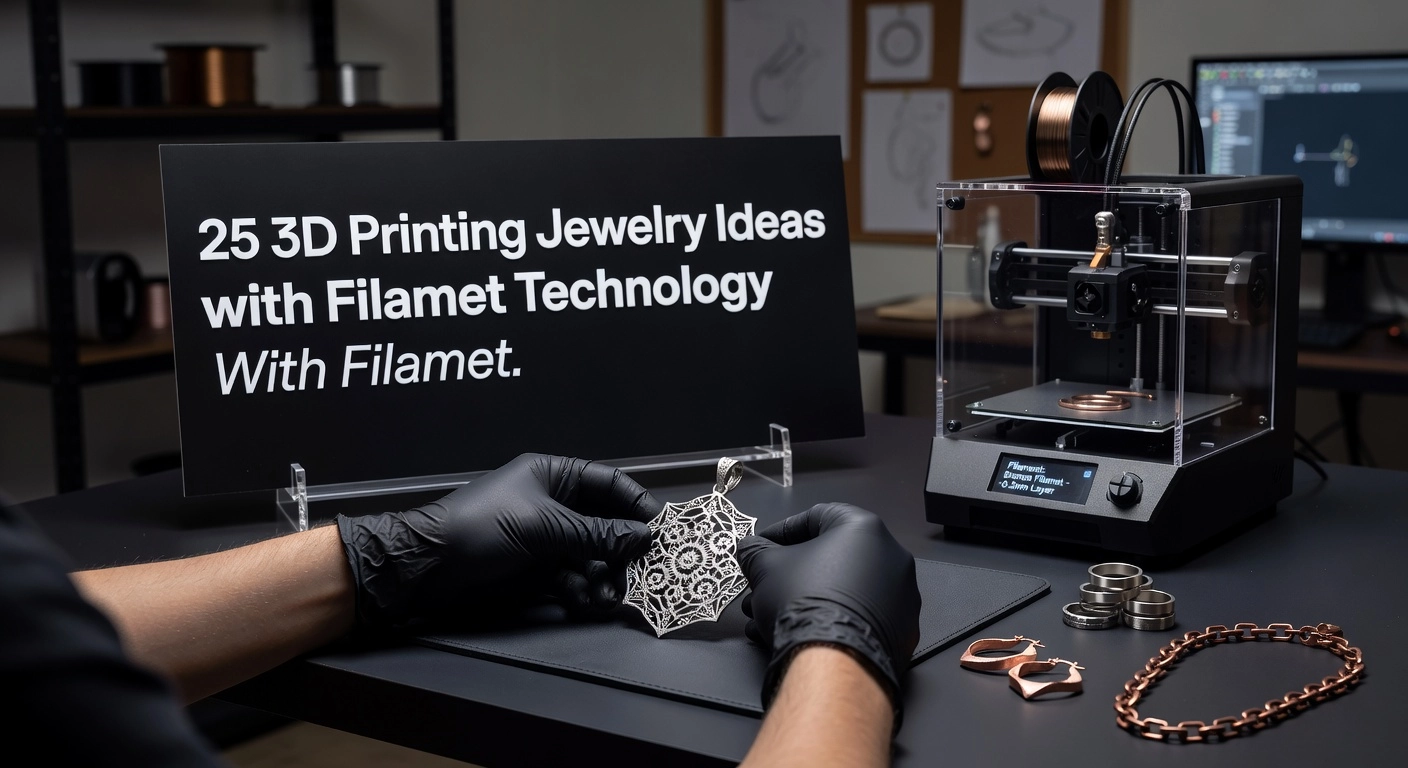
From jet engine fuel nozzles to patient specific implants, metal 3D printing has moved from experimental corner to factory floor. As production volumes rise and standards mature, the talent market is shifting just as quickly. If you have wondered what careers use 3d printing, the most dynamic answers today sit in metal additive manufacturing.
This analysis explains where the jobs are, who hires, and which skills separate candidates who experiment from those who lead. You will see the full workflow, from design for additive and topology optimization, to parameter development, powder handling, in situ monitoring, and post processing. We will break down core roles such as applications engineer, process engineer, materials and metallurgical specialist, quality and NDT professional, production technician, AM-focused designer, and field service. Expect insight on industry demand across aerospace, medical devices, energy, and tooling; common software and machine platforms; relevant certifications and standards; entry points for adjacent professionals in CNC, welding, or QA; and typical progression and compensation bands. By the end, you will have a clear map to target roles, upskill efficiently, and position yourself for metal AM opportunities that are growing now.
The Current State of 3D Printing in Industry
Industry adoption at a glance
Aerospace, automotive, healthcare, and fashion are the most mature adopters of additive manufacturing. Aerospace programs rely on 3D printing for lightweight brackets, heat exchangers, and complex fuel components, which reduce mass and enable consolidation of assemblies. Automotive teams use it for rapid tooling, bridge production, and increasingly for end‑use, customized components that compress program timelines. Healthcare applies 3D printing to patient‑specific surgical guides, prosthetics, and dental devices, improving fit and clinical outcomes. Fashion studios exploit the ability to produce intricate lattices and one‑off geometries, driving customization and reducing waste through on‑demand fabrication. For readers asking what careers use 3D printing, these use cases translate into roles spanning design engineering, AM process engineering, quality and regulatory, dental lab technicians, and fashion technologists.
Key market signals
The global 3D printing market was valued at roughly 13.8 billion dollars in 2020 and continues to grow at a strong double‑digit rate as production applications expand. Adoption is mainstream in manufacturing, with about 70 percent of manufacturers using 3D printing in some form by 2021. Organizations report up to 90 percent reductions in lead time when they replace machined tooling or fixtures with printed alternatives, which compounds into significant time to market advantages. Healthcare represents an estimated 16 percent of market share, reflecting the surge of dental and medical applications. For a current snapshot of adoption across sectors and applications, see this independent industry statistics roundup.
Metal 3D printing as the innovation engine
Metal additive manufacturing is the primary driver of performance breakthroughs because it combines complex geometry with high strength materials. In aerospace, topology‑optimized metal parts reduce weight and fuel burn while surviving demanding thermal and vibration environments. Automotive programs use metal AM for lightweight tooling and functional powertrain parts, accelerating validation cycles. Healthcare has embraced 3D printed titanium for porous orthopedic surfaces that promote osseointegration and patient‑specific implants. Materials innovation and process refinement are expanding these gains, as outlined in this overview of materials and application advances.
What this means for practitioners and teams
The center of gravity is shifting from prototyping to production, favoring accessible metal workflows that lower cost and complexity. The Virtual Foundry’s approach, centered on polymer‑bound metal filaments like Filamet, enables pure metal parts on widely available equipment, then achieves final density through proven finishing and sintering techniques. To capitalize quickly, identify low‑volume, high‑mix parts where weight, consolidation, or customization deliver measurable value. Stand up a pilot cell, document design for additive guidelines, and partner for post‑processing expertise. This builds capability while de‑risking scale up for critical applications.
Understanding Metal 3D Printing Technology
How metal 3D printing works with Filamet
Filamet is a metal powder bound in a thermoplastic, designed to run on open-architecture FFF printers you already own. Users print a “green” part, then debind and sinter to remove the binder and fuse the metal into a dense, functional component. Filamet is available in multiple metals, including stainless steel, copper, and bronze, and it supports complex geometries that traditional machining struggles to reach. Because it leverages standard printers and furnaces, it lowers cost and simplifies training, which is why engineers, jewelers, and research labs can adopt it quickly. This accessibility has been central to the technology’s success, enabling professionals to prototype and produce metal parts without dedicated laser systems. Explore materials and workflows at the Virtual Foundry’s official catalog of Filamet metal filaments.
Why metal over other materials
Metal delivers strength, heat resistance, electrical and thermal conductivity, and wear performance that polymers and many composites cannot match. That translates into practical outcomes, such as conformal-cooled tooling inserts, heat-resistant jigs and fixtures, RF-capable antenna components, and castable jewelry patterns that finish to fine detail. Additive manufacturing can reduce lead times by up to 90 percent versus traditional methods, which is critical for short-run tooling and field-replaceable spares. Adoption is broad, with about 70 percent of manufacturers using 3D printing in some form, and metal’s share is rising as furnace-based workflows mature. For careers across aerospace R&D, dental labs, product design, and university makerspaces, metal printing expands what can be validated in-house, cutting iteration cycles and external machining costs.
Challenges and the next wave of innovation
Traditional metal AM platforms remain expensive, and post-processing, surface finish, and porosity control can be demanding, as noted in this concise overview of metal AM challenges. Furnace-based FFF requires designing for predictable shrink, often in the mid teens percent by length, and validating debind and sinter schedules to reach target density. Actionable steps include printing calibration coupons, measuring green density, and using simple sacrificial supports to minimize distortion. Expect continued progress in binder chemistry, expanded metal portfolios, and AI-assisted sintering recipes that optimize ramp rates and soak times for part geometry. For practitioners, start with stainless or bronze, design thicker walls to aid sintering, and document dimensional change to build reliable compensation factors. These practices convert accessible hardware into repeatable, production-grade metal outcomes, positioning teams to scale from prototypes to end-use parts.
Career Pathways Using 3D Printing Technology
Roles across design, manufacturing, healthcare, and research
3D printing careers span product design, production, medicine, and R&D. Designers, CAD modelers, and DfAM specialists accelerate prototyping and validate usability before tooling, as outlined in the career options in 3D printing. In manufacturing, application engineers and materials scientists tailor processes to reduce waste and cut lead times by up to 90 percent, a progression detailed in career progression in 3D printing. Healthcare employs biomedical engineers and clinicians to create surgical models, prosthetics, and dental appliances, accounting for roughly 16 percent of market activity; innovators like Dr. Julielynn Wong demonstrate point-of-care printing in remote settings.
Case study, using Filamet to advance careers in art and design
Artists and designers are using Filamet to bridge digital craft and true metalwork on open printers they already own. At Halmstad University, students and faculty produced bronze and copper pieces to professional finish by printing green parts, then debinding and sintering to near full density. This pathway lets early-career creators build metal portfolios without foundry access, win commissions, and transition into jewelry, product, or public art roles. Because Filamet accepts overnight iteration, practitioners test textures, wall thickness, and patinas quickly, aided by an active user community.
Educational requirements and skills for 3D printing careers
Most roles start with degrees in mechanical engineering, industrial design, materials science, or biomedical engineering. Core skills include parametric CAD, slicing, lattice generation, and familiarity with FFF, SLA, and SLS. Add metal competencies, debind and sinter profiling, shrinkage compensation, alloy behavior, and safe furnace operation. Build metrology and GD&T literacy, process validation, and AI assisted topology optimization. Actionable steps, earn CAD certifications, complete a sintering workshop, document parts with density and tensile data, and publish a DfAM portfolio that highlights both polymer and metal prints.
Real-life Applications and The Virtual Foundry’s Success
Manufacturing to art, real-world wins
From shop floors to studios, additive manufacturing has shifted from novelty to mission-critical production. In aerospace, on-demand fabrication in microgravity has validated printed parts in extreme environments, enabling astronauts to make tools and brackets without resupply, as documented in the first microgravity 3D printing program. Automotive teams compress design cycles by printing fixtures and end-use components with internal channels that machining cannot achieve. Artists and jewelers exploit lattices and organic textures for one-off pieces and short runs, translating CAD concepts into metals, glass, or ceramics with high surface fidelity. For readers asking what careers use 3D printing, these wins create roles for DfAM engineers, tool designers, finishing technicians, kiln operators, and digital artisans.
Cost and production efficiency
Efficiency gains are quantifiable. Additive workflows commonly cut lead times by up to 90 percent relative to subtractive routes. Material use drops because parts are built near net shape and tooling is often unnecessary. Open research underscores falling costs, for example recyclebot research showed filament costs dropping from about 35 dollars per kilogram to cents by reclaiming waste. Hybrid strategies like ZomeFab hybrid fabrication print thin shells over reusable frameworks, reducing large-object print time and material while preserving stiffness.
How The Virtual Foundry leads niche metal markets
What differentiates The Virtual Foundry is metal accessibility without prohibitive capital. Filamet runs on open-architecture FFF systems, letting teams pilot copper for thermal management, stainless for corrosion resistance, and tungsten for radiation attenuation using printers and kilns they already own. Manufacturers report quick payback by shifting custom jigs, conformal inserts, and low-volume spares to in-house metal printing. In art and jewelry, creators print final pieces or investment casting patterns, preserving fine detail after finishing. In niches like nuclear tooling and aerospace prototypes, faster pure-metal iteration de-risks R&D and unlocks new billable services.
Key Findings on Metal 3D Printing’s Impact
Adoption across critical industries
Metal additive manufacturing has shifted from niche to necessary across aerospace, automotive, and medical sectors. Market analyses point to steep growth, with metal 3D printing projected to expand from about $789 million in 2024 to over $4.1 billion by 2032, a 27.3 percent CAGR, indicating sustained industrial commitment to the technology metal 3D printing market forecast. Adoption is concentrated where performance and complexity justify it, including aerospace and defense at roughly 33.7 percent, automotive near 23.9 percent, and healthcare around 15 percent, reflecting the need for lightweight, patient specific, and thermally optimized parts sector adoption breakdown. Manufacturers cite faster iteration, often 30 to 60 percent, and material savings that outpace traditional subtractive routes. For professionals asking what careers use 3D printing, these adoption patterns translate into demand for design for additive specialists, materials engineers, quality technicians, and production planners who can validate metal parts for regulated environments.
Economic and environmental gains with Filamet™
Filamet™, a metal powder bound in a thermoplastic, leverages open architecture FFF printers many teams already own, which lowers capital expense barriers. Shops avoid high power laser systems, so operating costs, energy draw, and facility requirements are reduced, while the debind and sinter path converts printed green bodies into near dense metal with predictable shrink factors. Additive use of material cuts scrap dramatically compared to machining, and localized printing reduces freight, rework, and inventory carrying costs. Lead times compress from weeks to days, sometimes hours, which keeps tooling changes, thermal management prototypes, and custom fixtures inside normal sprint cycles. Example, a lab can print a stainless test fixture overnight, sinter on a standard furnace schedule, and validate geometry before freezing a production design.
Barriers innovators have overcome
The Virtual Foundry addressed three persistent hurdles, access, process complexity, and material breadth. First, by making metal viable on common FFF platforms, small manufacturers, educators, and artists can enter metal AM without specialized capital or facilities. Second, standardized print, debind, and sinter recipes reduce the learning curve, and community shared parameters de risk densification, surface finish, and dimensional control. Third, a portfolio spanning copper, bronze, and stainless, plus glass and ceramic options, lets teams select materials for thermal, electrical, or aesthetic outcomes. These advances turn experimentation into repeatable production, and they create clear upskilling pathways for technicians and engineers who will run the next generation of metal AM lines.
Future Implications for the 3D Printing Industry
The growth trajectory of metal additive manufacturing
Metal 3D printing is entering a scale phase, with models projecting roughly 20 to 25 percent CAGR and totals near 60 billion dollars by 2035. Growth concentrates in aerospace, automotive, and healthcare, where lightweighting, part consolidation, and patient specific devices deliver ROI. Advances in powder quality, monitoring, and AI tuned parameters are improving repeatability and qualification. For teams asking what careers use 3D printing, this trajectory sustains demand for DfAM engineers, metallurgists, and AM technicians who can bridge design with post processing.
Supply chains and job markets
As metal AM localizes production, expect inventory buffers to shrink and digital inventories to expand, with lead times falling by up to 90 percent. Spare parts and tooling will shift to point of use microfactories, reducing freight exposure. Adoption is broad, with roughly 70 percent of manufacturers using 3D printing, and the metal segment moving from prototyping to production of flight ready hardware and tooling inserts. The labor mix will tilt toward process engineers, furnace operators, NDT and metrology specialists, and data analysts who maintain print quality. Action item: pilot an AM cell near consumption, qualify three parts, build a materials database, and train cross functional teams on design, sintering, and quality.
The Virtual Foundry’s role in future innovation
The Virtual Foundry lowers barriers by enabling pure metal parts on open architecture FFF printers using Filamet, then guiding users through debinding and sintering to high density. This democratizes metal AM for manufacturers, labs, artists, and educators. By prioritizing accessibility over proprietary complexity, it succeeds where capital intensive approaches often stall. Practical wins include conformal cooling inserts, radiation shielding components, and fine jewelry, produced without specialized industrial printers. Looking ahead, expect expanded alloys, tighter shrink control, refined furnace profiles, and community sourced recipes that standardize results. Organizations can start now by retrofitting existing printers, adopting process guides, and running structured design of experiments to lock parameters and documentation for scale.
Conclusion
Metal additive manufacturing has moved into real production, and the talent market is accelerating with it. Key takeaways: opportunities span the full workflow and multiple industries, the strongest candidates combine design for additive with process, materials, and quality mastery, and fluency in common software, machines, and certifications helps you stand out. Decide which role fits your strengths, map your gaps, then take action. Build a portfolio of printed parts, earn targeted credentials, get hands on with parameter development and post processing, and network with employers and service bureaus. Use this guide as your roadmap to focus your learning and shorten time to impact. The factory floor is hiring, and the next breakthrough parts will be built by those who start today.