Logo of The Virtual Foundry with "MADE IN U.S.A." text and American flag, representing metal 3D printing technology and innovation.
  • Education
  • How To
    • Getting Started with Filamet™
    • Printing Pure Metal Parts
    • Debinding & Sintering Pure Metal Parts
    • Finishing Pure Metal Parts
  • Products
  • Services
  • Resources
    • YouTube
    • Blog
    • Research Papers
    • Whitepapers
    • Case Studies
    • Liquid Phase Sintering Research
    • Trusted Printers
  • Community
  • About
    • Showcase
    • Industries Served
  • Contact Us
  • Where To Buy
Where To Buy

The Virtual Foundry Site Map: Metal 3D Printing Resources

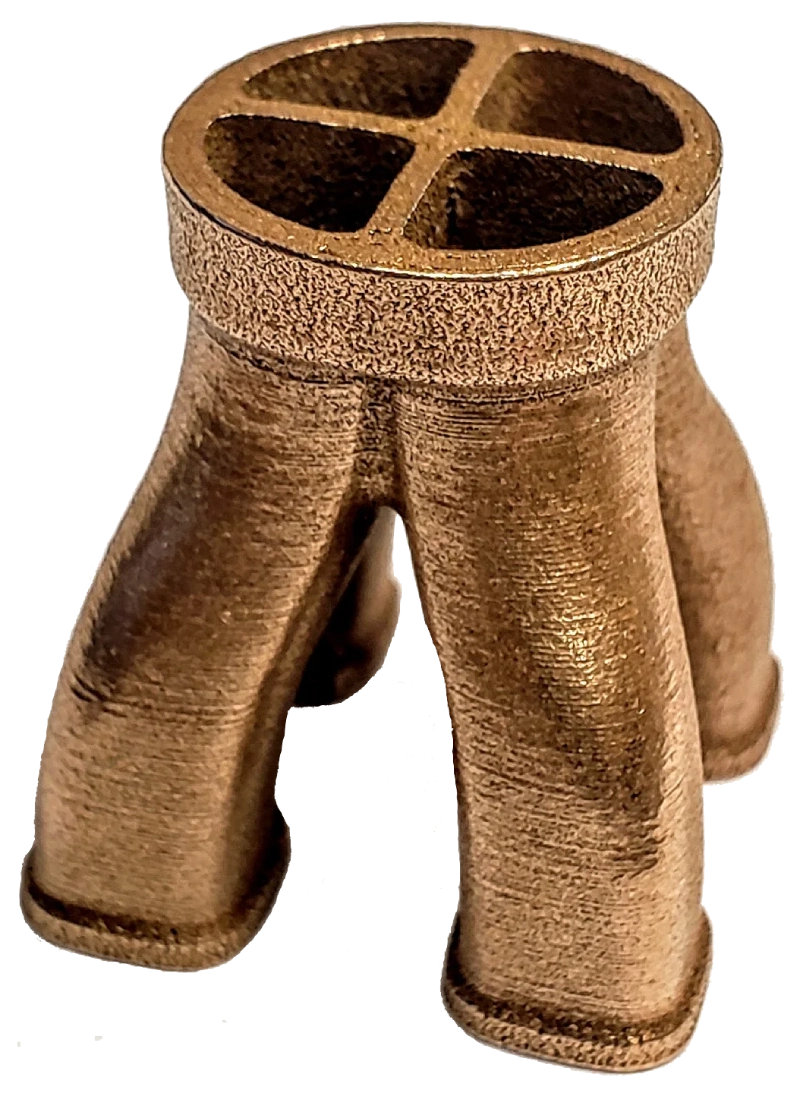
Sintered metal part with a textured surface and open design, showcasing finishing techniques for Filamet™ 3D printed components.

Explore Every Page on The Virtual Foundry Website

  • Home
  • About
  • Blog
  • Case Studies
  • Community
  • Debind Sinter
  • Finishing
  • Getting Started with Filamet™
  • Industries Served
  • Learn
  • Liquid Phase Sintering Research
  • Print
  • Products
  • Research & White Papers_unused
  • Research And Whitepapers
  • SDS
  • Services
  • Showcase
  • TDS
  • Trusted Printers
  • Education
  • Where To Buy
  • Contact Us

Manufacturing Metal 3D Printing Filament & Materials

Connect With Us
The Virtual Foundry logo, representing a company specializing in accessible metal 3D printing technologies and materials.
Our mission is to democratize metal 3D printing by making it accessible, affordable, and easy to use for everyone.

Quick Links

  • Education
  • Products
  • Services
  • Community
  • About
  • Contact Us
  • Where To Buy

Contact Info



1471 US HWY 51, Stoughton, WI 53589



+1 (608) 509-7146



[email protected]



shop.thevirtualfoundry.com

Copyright © 2026 Virtual Foundry. All Rights Reserved. | Sitemap

  • Follow
  • Follow
  • Follow
  • Follow

the virtual foundry, virtual foundry

Frequently Asked Questions
What considerations should I evaluate when selecting a virtual foundry provider?
When selecting a virtual foundry provider, consider their expertise in metal 3D printing, the quality and range of materials offered, customer support, pricing, and the availability of educational resources to enhance your understanding of the technology.
What technical support can I expect when implementing virtual foundry solutions?
The technical support you can expect when implementing Virtual Foundry solutions includes comprehensive guidance through setup, troubleshooting assistance, and access to a dedicated support team to ensure a smooth integration process.
What are common challenges customers face when using virtual foundry technology?
Common challenges customers face when using Virtual Foundry technology include difficulties in material compatibility, achieving optimal print settings, and navigating the learning curve associated with metal 3D printing processes.
What challenges do companies face when transitioning to virtual foundry technology?
The challenges companies face when transitioning to virtual foundry technology include the need for specialized training, integration with existing systems, and potential high initial costs, which can hinder adoption and effective utilization of the technology.
What common challenges should I anticipate when adopting a virtual foundry approach?
The common challenges to anticipate when adopting a virtual foundry approach include the need for specialized knowledge in metal 3D printing, potential initial costs associated with equipment and materials, and the integration of new processes into existing workflows.
What limitations should I be aware of when using virtual foundry services?
The limitations to be aware of when using Virtual Foundry services include potential material restrictions, specific design constraints, and the need for post-processing in some cases, which may impact turnaround time and overall project feasibility.
What environmental factors should I consider when storing virtual foundry filament?
When storing Virtual Foundry filament, consider factors such as humidity, temperature, and light exposure. Keep filament in a cool, dry place, away from direct sunlight to prevent degradation and ensure optimal printing performance.
How can businesses estimate total costs when using a virtual foundry?
Businesses can estimate total costs when using a virtual foundry by considering factors such as material expenses, printing time, labor costs, and overhead, along with any additional fees for design and setup services.
How does virtual foundry pricing compare to traditional foundry services?
The pricing of The Virtual Foundry is generally more affordable than traditional foundry services, making metal 3D printing accessible to a wider range of users while maintaining high-quality production standards.
How virtual foundry enhances manufacturing?
The Virtual Foundry enhances manufacturing by making metal 3D printing more accessible and affordable, enabling businesses to produce complex parts efficiently while reducing material waste and lead times.
How to implement virtual foundry?
Implementing The Virtual Foundry involves integrating metal 3D printing technology into your workflow, utilizing their resources and materials, and leveraging their educational tools to enhance your understanding and capabilities in metal additive manufacturing.
What are the common challenges when transitioning to a virtual foundry system?
The common challenges when transitioning to a virtual foundry system include adapting to new technologies, ensuring proper training for staff, managing data integration, and addressing initial costs associated with implementation.
What customer support options are available when using virtual foundry products?
The customer support options available when using Virtual Foundry products include comprehensive online resources, email support for inquiries, and access to a dedicated community forum for peer assistance and knowledge sharing.
What factors influence virtual foundry provider selection?
The factors influencing virtual foundry provider selection include the quality of materials, technology capabilities, pricing, customer support, and the provider's reputation within the metal 3D printing community.
How to assess virtual foundry solution effectiveness?
Assessing the effectiveness of The Virtual Foundry's solutions involves evaluating the quality of printed metal parts, cost efficiency, and user satisfaction. Regular feedback and performance metrics can help determine how well the solutions meet your specific needs.
What training is needed for virtual foundry users?
Training for Virtual Foundry users includes understanding metal 3D printing processes, software operation, material handling, and safety protocols. Comprehensive resources and tutorials are available to ensure users are well-equipped to maximize their printing capabilities.
How to ensure quality in virtual foundry outputs?
Ensuring quality in Virtual Foundry outputs involves implementing rigorous quality control measures, utilizing high-grade materials, and adhering to precise printing parameters throughout the metal 3D printing process. Regular testing and validation of products further enhance reliability and performance.
What industries benefit most from virtual foundry technology?
The industries that benefit most from Virtual Foundry technology include aerospace, automotive, medical, and manufacturing. These sectors leverage metal 3D printing for rapid prototyping, custom parts production, and reducing material waste, enhancing efficiency and innovation.
How to troubleshoot common virtual foundry issues?
Troubleshooting common Virtual Foundry issues involves identifying the problem, checking equipment settings, ensuring proper material use, and consulting the user manual or support resources. Engaging with the community forums can also provide valuable insights and solutions.
What innovations are emerging in virtual foundry services?
Innovations emerging in virtual foundry services include advancements in automated metal 3D printing processes, enhanced material formulations for improved performance, and the integration of AI-driven design tools that streamline production and optimize part geometry for specific applications.

virtual foundry, the virtual foundry, 3d printing groups, definition of crest in science, 3d printer metal, what does crest mean in science, parts of an addition problem, virtualfoundry

Overview of Metal 3D Printing Technology

Metal 3D printing technology represents a revolutionary advancement in manufacturing, enabling the creation of complex geometries and lightweight structures that traditional methods cannot achieve. This technology allows for the direct production of metal parts from digital files, streamlining the design and manufacturing process.

With various techniques such as Selective Laser Melting (SLM) and Binder Jetting, metal 3D printing caters to diverse industries, including aerospace, automotive, and medical. The ability to produce customized components on-demand not only reduces waste but also enhances efficiency in production cycles, making it a game-changer in modern manufacturing.

Educational Resources for Metal 3D Printing

The Virtual Foundry is committed to empowering users with knowledge and skills related to metal 3D printing. Our educational resources include tutorials, webinars, and articles that cover the fundamentals of metal 3D printing, materials science, and best practices for successful printing.

By providing access to comprehensive guides and community forums, we aim to foster a learning environment where both beginners and experienced users can exchange ideas and solutions. This initiative helps demystify the technology, making it more accessible for enthusiasts and professionals alike.

Community Engagement and Support

At The Virtual Foundry, we believe that community engagement is vital for the growth of the metal 3D printing ecosystem. We actively encourage users to participate in discussions, share their projects, and provide feedback on our products and services.

Through regular events, online forums, and social media interactions, we create a platform for users to connect and collaborate. This sense of community not only enhances user experience but also drives innovation as users share their unique insights and applications of metal 3D printing technology.

Product Offerings and Innovations

The Virtual Foundry offers a diverse range of metal 3D printing filaments and materials designed to meet the needs of various applications. Our products are engineered to deliver high performance, reliability, and ease of use, making them suitable for both hobbyists and industrial users.

In addition to standard offerings, we continuously innovate by developing new materials that expand the possibilities of metal 3D printing. Our commitment to research and development ensures that we stay at the forefront of the industry, providing our customers with the latest advancements and solutions for their projects.