Introduction: The Convergence of Craft and Technology
The intersection of fine art and industrial technology has always been a fertile ground for innovation. From the introduction of synthetic pigments to the adoption of CNC milling in monumental stonework, artists have historically co-opted manufacturing tools to expand their creative boundaries. Today, the most significant shift in the sculptural landscape is happening through metal additive manufacturing.
For centuries, casting a bronze or copper sculpture required a complex, multi-stage foundry process. The traditional lost-wax method involves creating a primary model, pouring wax, building a ceramic shell, melting out the wax, and finally pouring molten metal at extreme temperatures. This workflow demands specialized environments, weeks of labor, and significant capital.
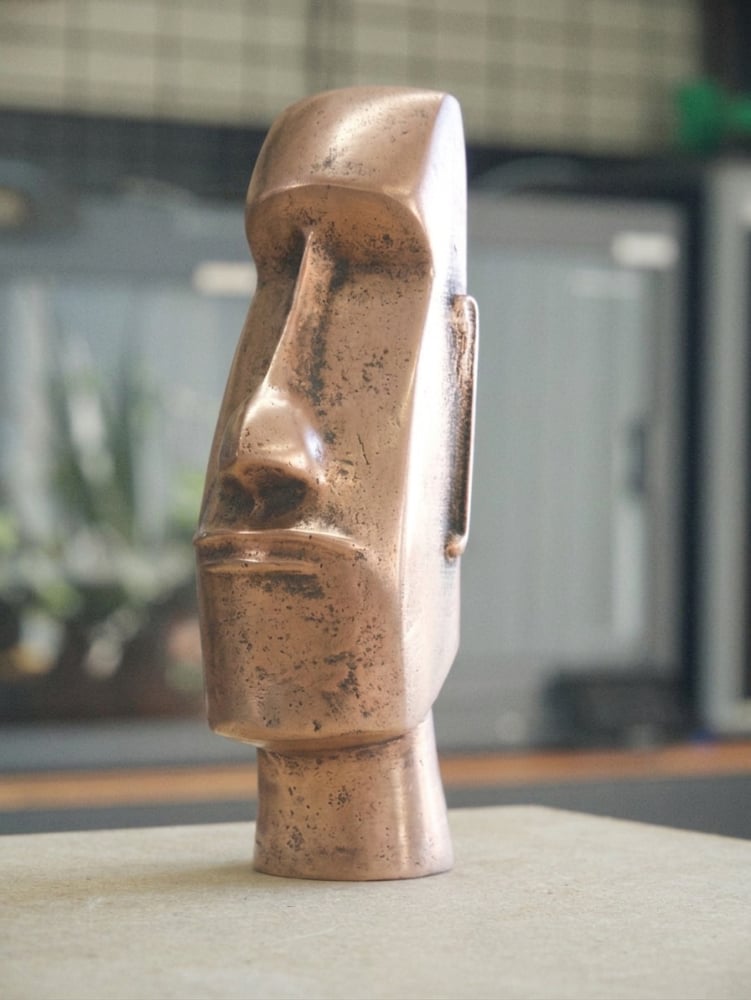
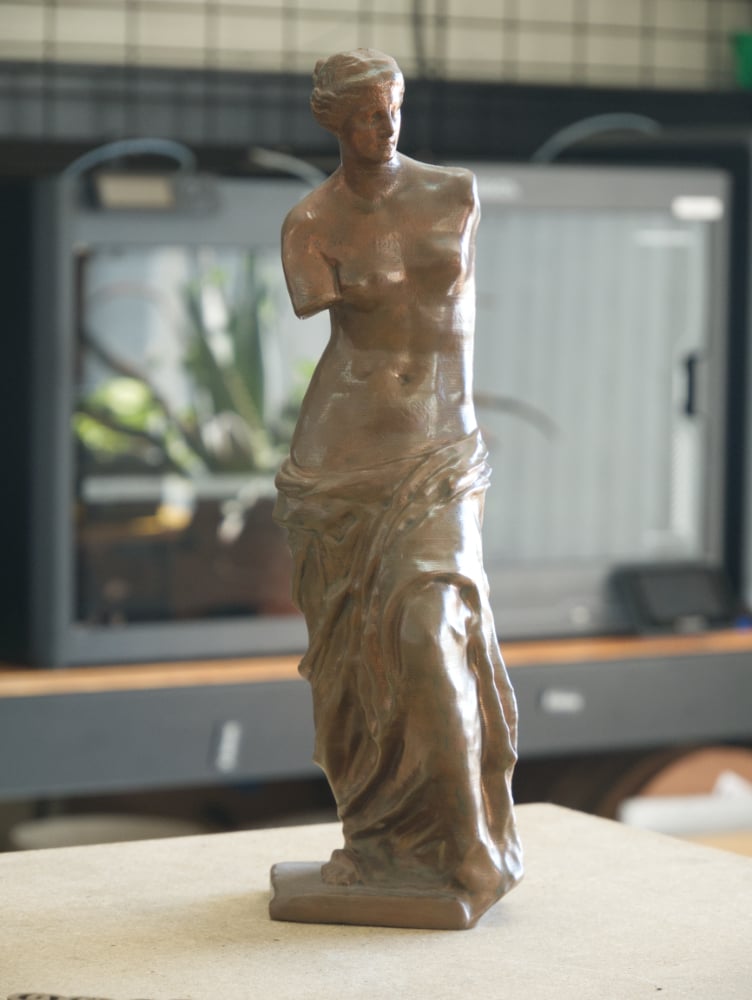
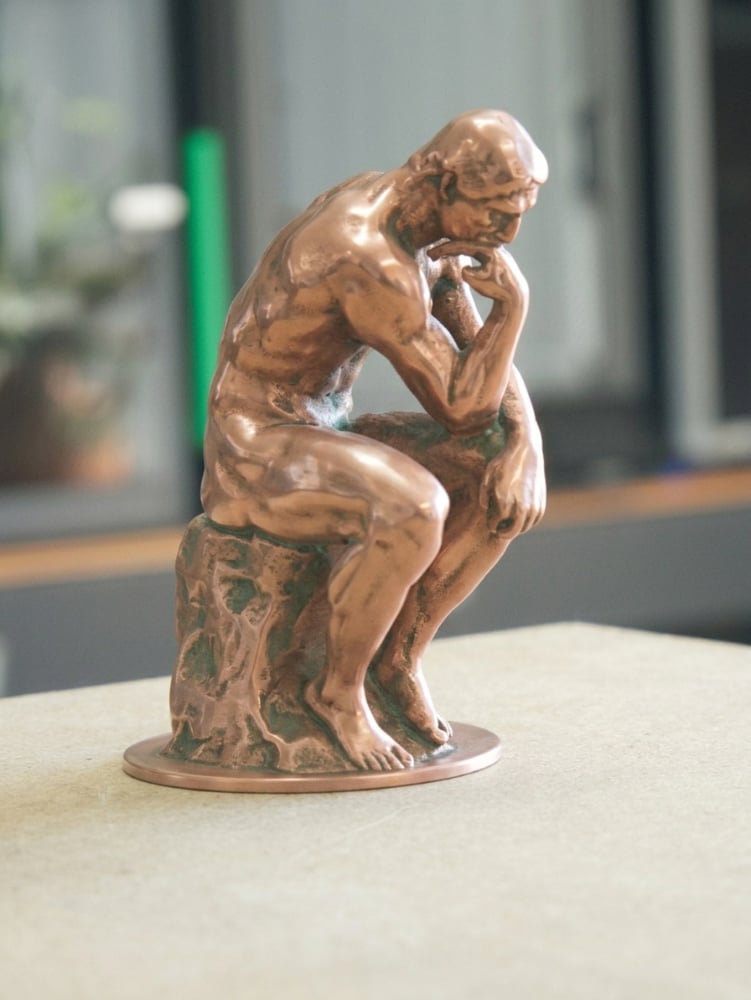
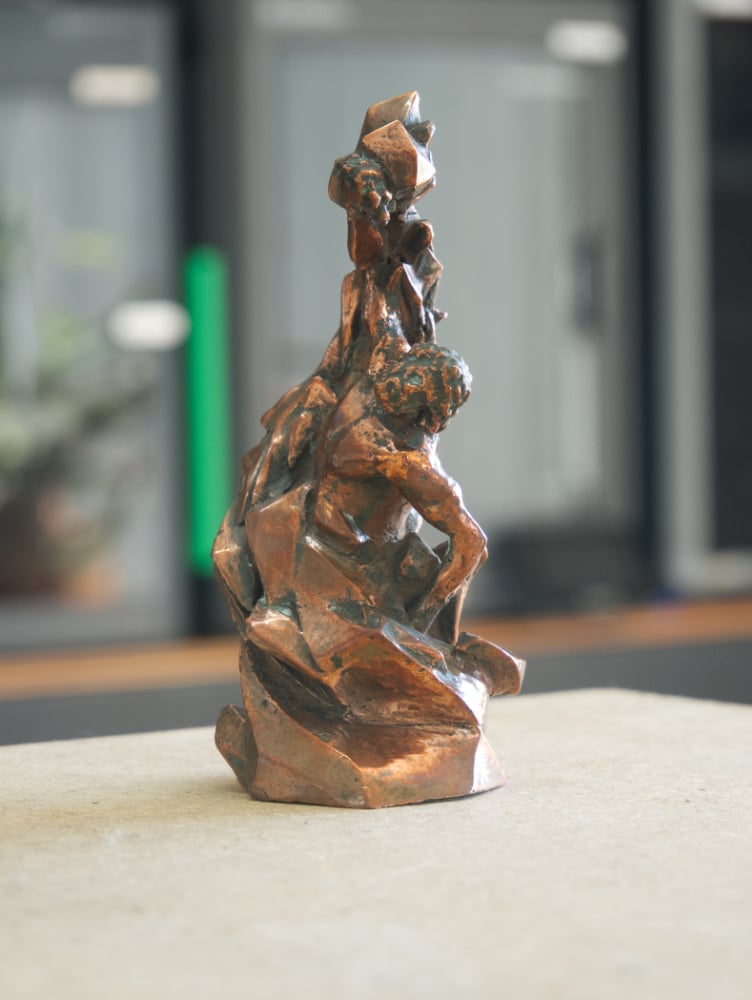
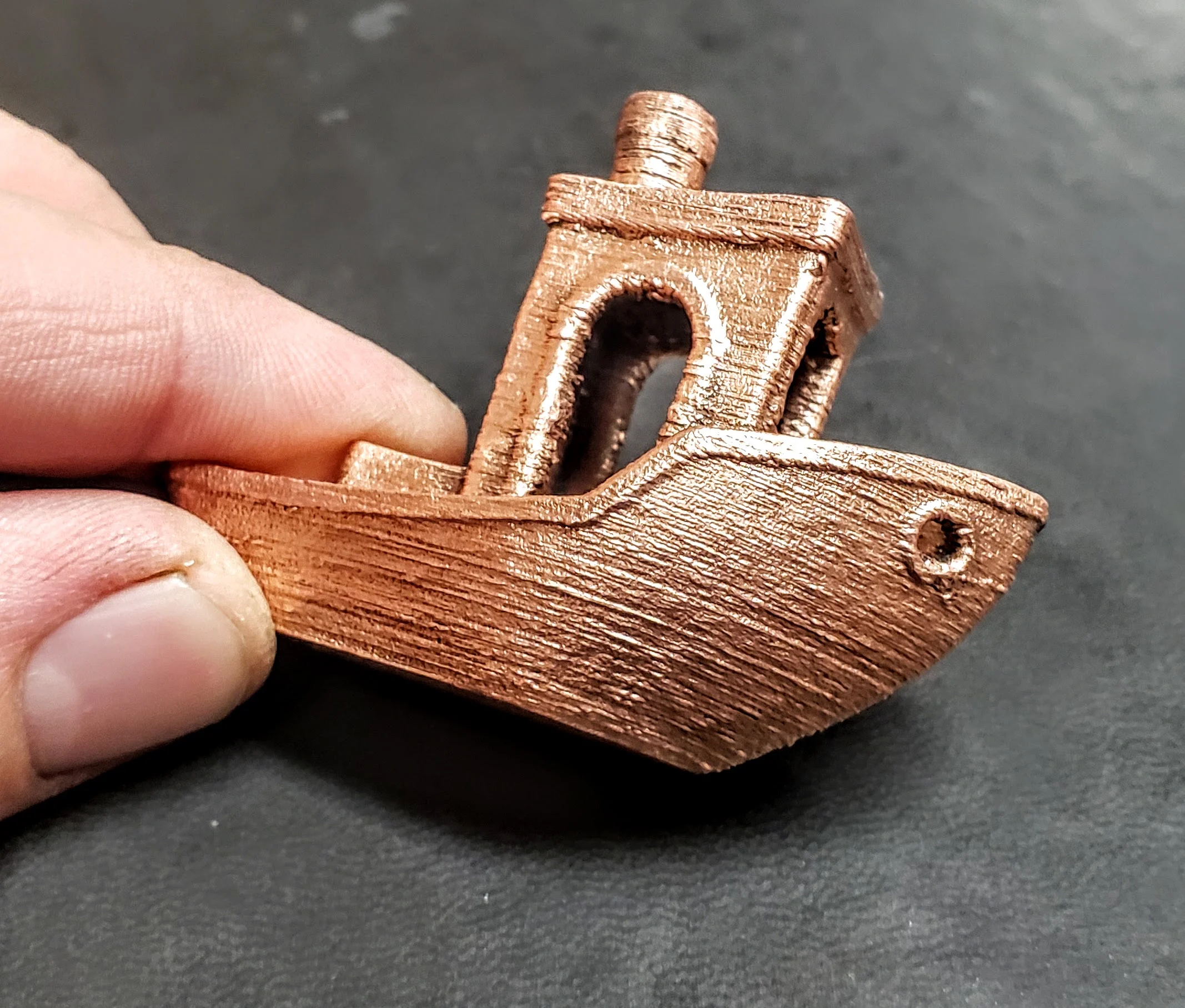
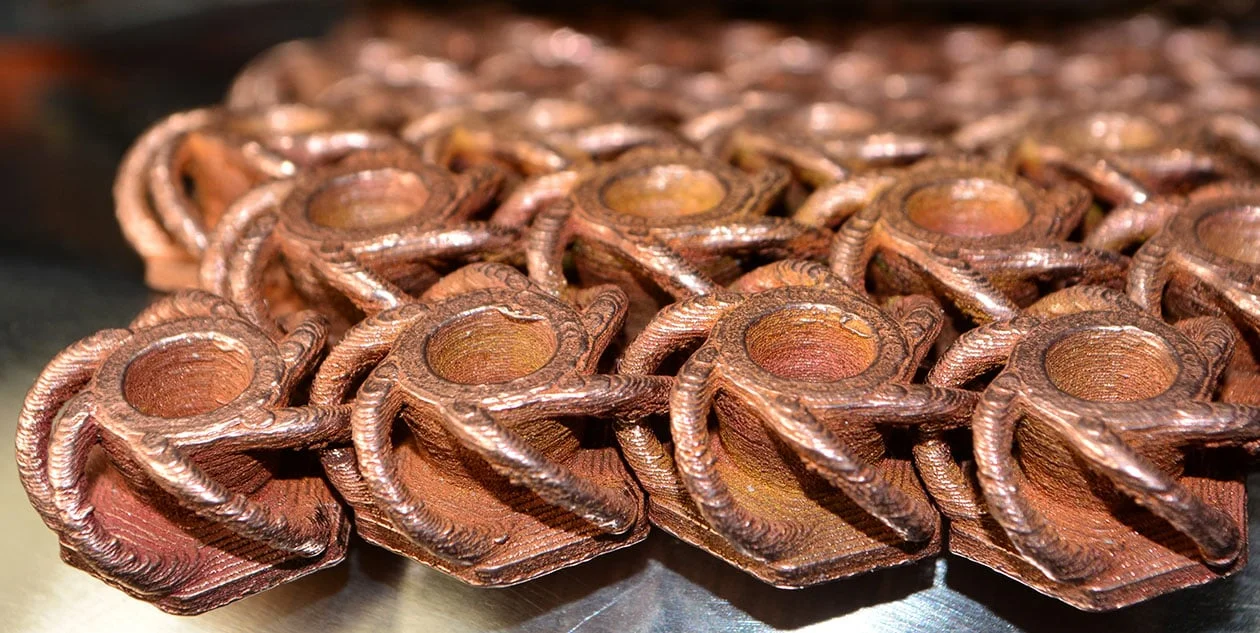
The advent of metal-infused filaments, specifically Filamet™, fundamentally disrupts this restrictive cycle. By combining real metal powders with a specialized thermoplastic binder, artists can now utilize standard Fused Filament Fabrication (FFF) 3D printers to produce authentic copper and bronze sculptures. This technology democratizes the production of metal art, allowing digital sculptors, traditional artists, and archival specialists to move from concept to pure metal within a contained, predictable workspace.
The Three Pillars of Modern Additive Art
The application of metal 3D printing to the art world generally falls into three distinct categories. Each path leverages the precision of digital design and the tangible, premium weight of real metal.
1. Digital Sculpture Output
Digital sculpting software has matured to allow for breathtaking levels of organic detail. However, displaying these pieces as plastic renders or fragile resin prints often diminishes their perceived value. By utilizing metal filaments, a digital artist can output their work directly into a medium that commands authority, carries real physical weight, and ages beautifully with a natural patina.
2. Augmenting Physical Sculptures
Multi-media and mixed-media artists are no longer restricted by uniform materials. Filamet™ enables the creation of hybrid sculptures. An artist can carve a primary form out of wood, stone, or clay, and then design mathematically precise, interlocking metal components using CAD software. These components can be printed, sintered, and integrated seamlessly into the physical artwork, creating a striking contrast between traditional and modern textures.
3. Replication and Archiving
Fine art is inherently fragile, and monumental sculptures are often bound to a single geographic location. 3D scanning coupled with metal printing allows for the rapid, highly accurate replication of existing masterpieces. Museums can create touchable, durable exhibition copies for the visually impaired, while living sculptors can produce limited-edition, scaled-down bronze or copper duplicates of their largest works for private collectors.
Deciding Your Processing Path: Debinding and Sintering vs. Printing and Polishing
One of the greatest advantages of working with Filamet™ is the flexibility it offers during post-processing. Depending on your timeline, equipment access, and artistic intent, you can choose between two primary workflows to achieve a stunning metallic finish.
The Full Thermal Workflow (Debinding and Sintering)
If your goal is to create a 100% pure metal sculpture that is completely indistinguishable from a traditional foundry casting, the full thermal workflow is required.
-
Step 1: Scan or Design. Create your digital asset or scan a physical model to generate a high-resolution printable model.
-
Step 2: Print. Slice the file and print using Filamet™ copper, bronze, etc. The resulting object is a “green” part, composed of dense metal powder held together by a polymer matrix.
-
Step 3: Debind and Sinter. The green part is placed into a kiln surrounded by a specialized refractory ballast and a crucible. During the heating cycle, the polymer binder burns away safely (debinding), and the temperature is raised just below the melting point of the metal. This causes the metal particles to fuse together (sinter).
-
Step 4: Final Finishes. The result is a pure metal sculpture that can be welded, patinated, or polished using traditional blacksmithing and jewelry tools and techniques.
The Rapid Finishing Workflow (Sanding and Polishing)
For artists who do not have immediate access to a sintering kiln, or for projects that require a fast turnaround, the high metal loading of the filament allows for direct polishing. Because the plastic binder is translucent and heavily packed with real metal particles, you can expose and shine those particles without firing the piece.
-
Step 1: Print. Output your digital sculpture with thicker walls and more top and bottom layers to ensure structural stability during mechanical finishing. Depending on the desired weight, infill can be reduced for this workflow.
-
Step 2: Progressive Sanding. Begin with a medium-grit sandpaper (such as 220 grit) to knock down the 3D printing layer lines. Gradually work your way through finer grits, moving up to 400, 800, and finally 1500 grit wet-and-dry sandpaper.
-
Step 3: Wheel Buffing. Apply a polishing compound to a rotating muslin buffing wheel. Gently work the sculpture against the wheel to draw out a bright, mirror-like metallic luster. It is important that you keep moving to new areas as you polish, touching up areas that need more attention as they cool. This is because the print can get hot where it contacts the buffing wheel and melt the model.
-
Step 4: Patination or Sealing. You can apply chemical patinas directly to the polished surface to create faux-aging effects, or seal the piece with a clear lacquer to prevent natural oxidation.
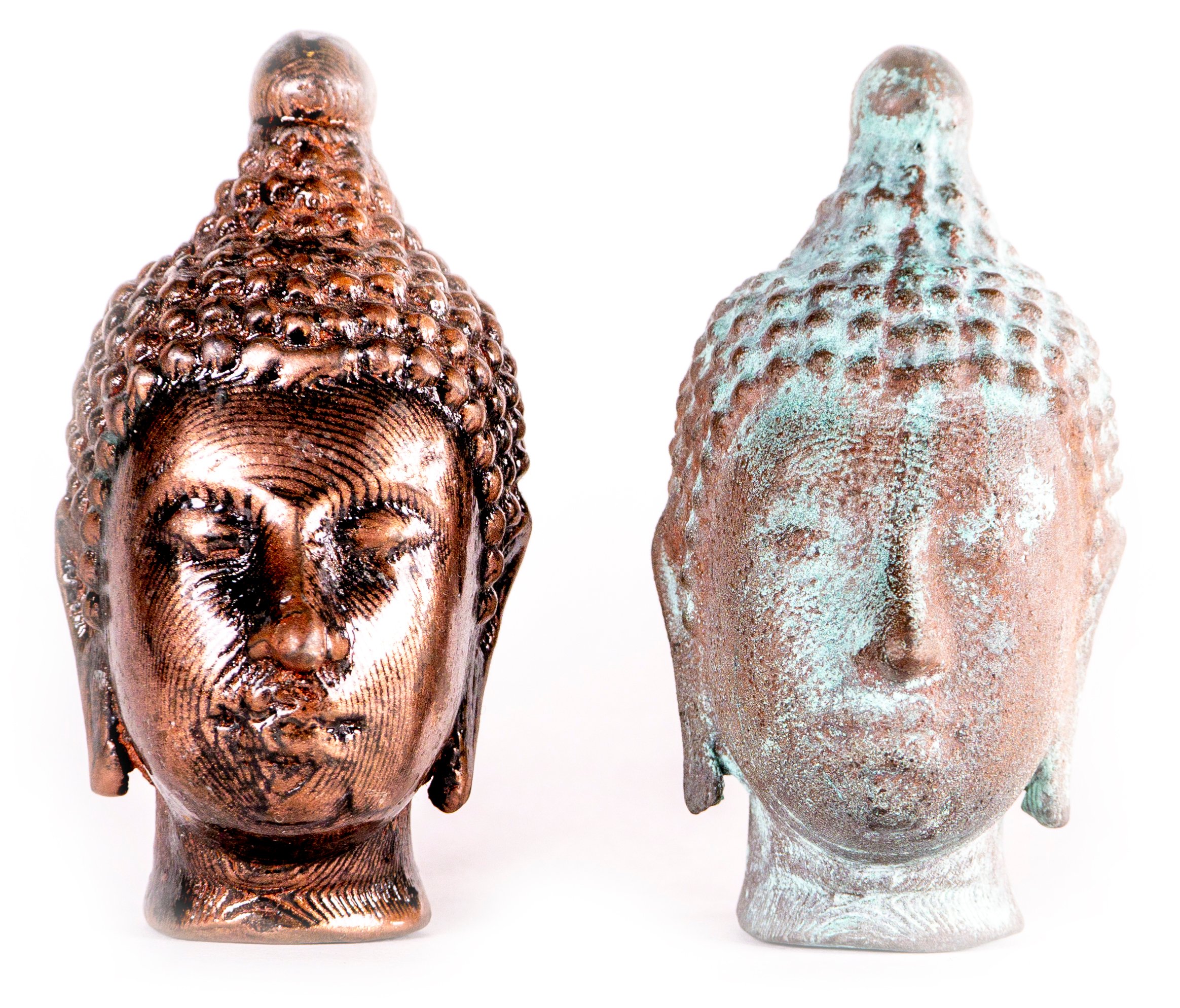
Technical Considerations for Additive Artists
While Filamet™ simplifies the path to metal fabrication, designing for additive manufacturing requires a slight shift in mindset compared to traditional sculpting.
-
Scale and Shrinkage: If you opt for the full sintering workflow, be aware that the part will shrink uniformly as the metal particles fuse together. Artists must scale their digital models upward in their slicing software to compensate for this variance.
-
Support Structures: Unlike traditional casting where molten metal fills a negative cavity, 3D printing builds structures layer by layer in open space. Overhanging features, outstretched arms, or dramatic cantilevers will require support structures. Fortunately, these can be printed in the same metal material and easily clipped and sanded off post-printing.
-
Infill Density: For pieces intended for full sintering, a high infill density or a completely solid print ensures maximum structural integrity inside the kiln. For pieces intended for the direct polishing workflow, lower infill densities can be used to save material, provided the outer shell is thick enough to withstand aggressive sanding.
Conclusion: Redefining Artistic Boundaries
Metal additive manufacturing is no longer a tool reserved exclusively for aerospace engineering and industrial prototyping. With materials like Filamet™, the desktop 3D printer becomes a personal foundry, giving artists unprecedented autonomy over their production pipelines.
By eliminating the financial and logistical bottlenecks of traditional casting, creators can experiment more freely, iterate faster, and produce work that seamlessly marries the infinite geometric complexity of digital design with the enduring prestige of real metal. Whether you choose to fully sinter your pieces into pure metallic forms or rapidly polish them for an immediate gallery aesthetic, the boundary between the digital canvas and the physical monument has officially dissolved.
The Virtual Foundry
Your Personal Foundry — No Industrial Facility Required
Filamet™ is real metal in filament form. Print copper and bronze sculpture on any FDM printer, then polish or sinter into pure metal parts. The Getting Started Bundle has everything you need to begin.