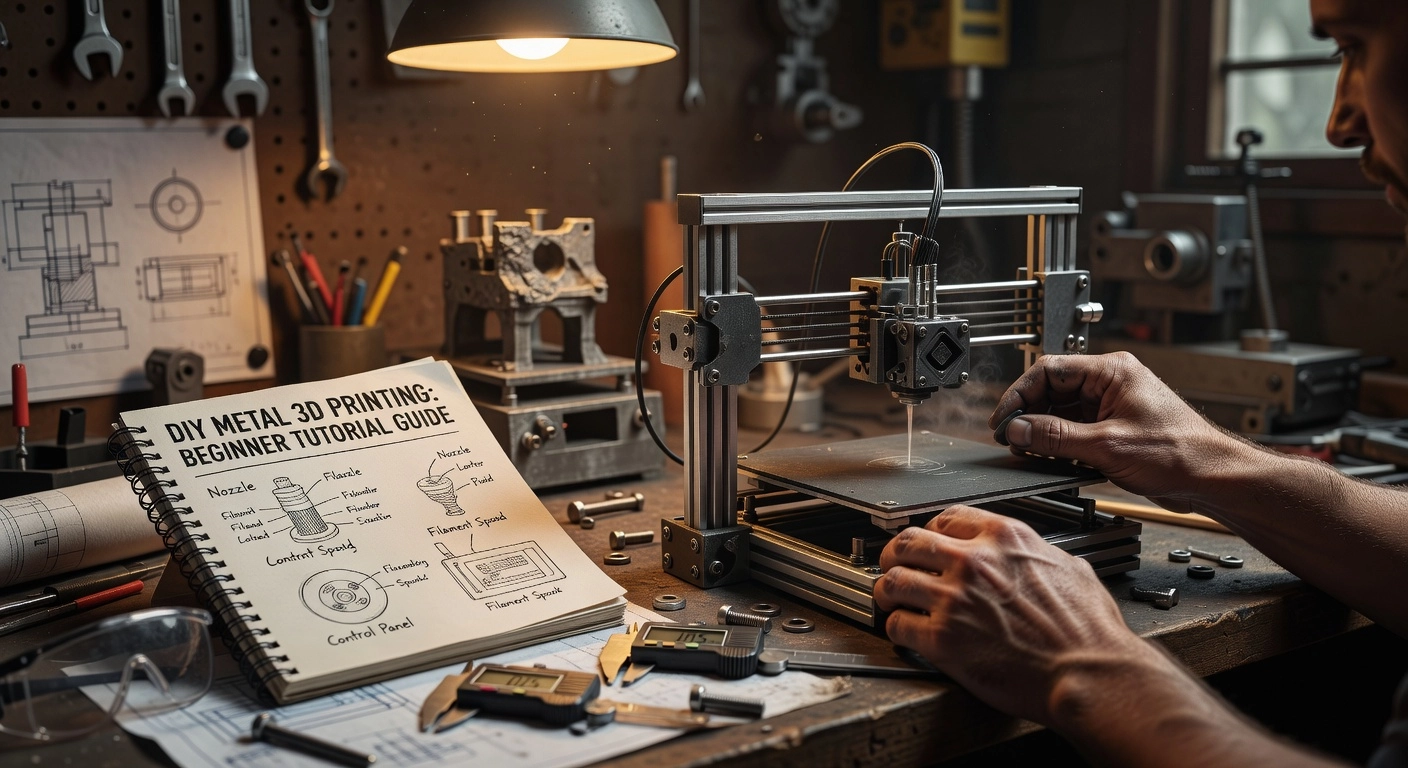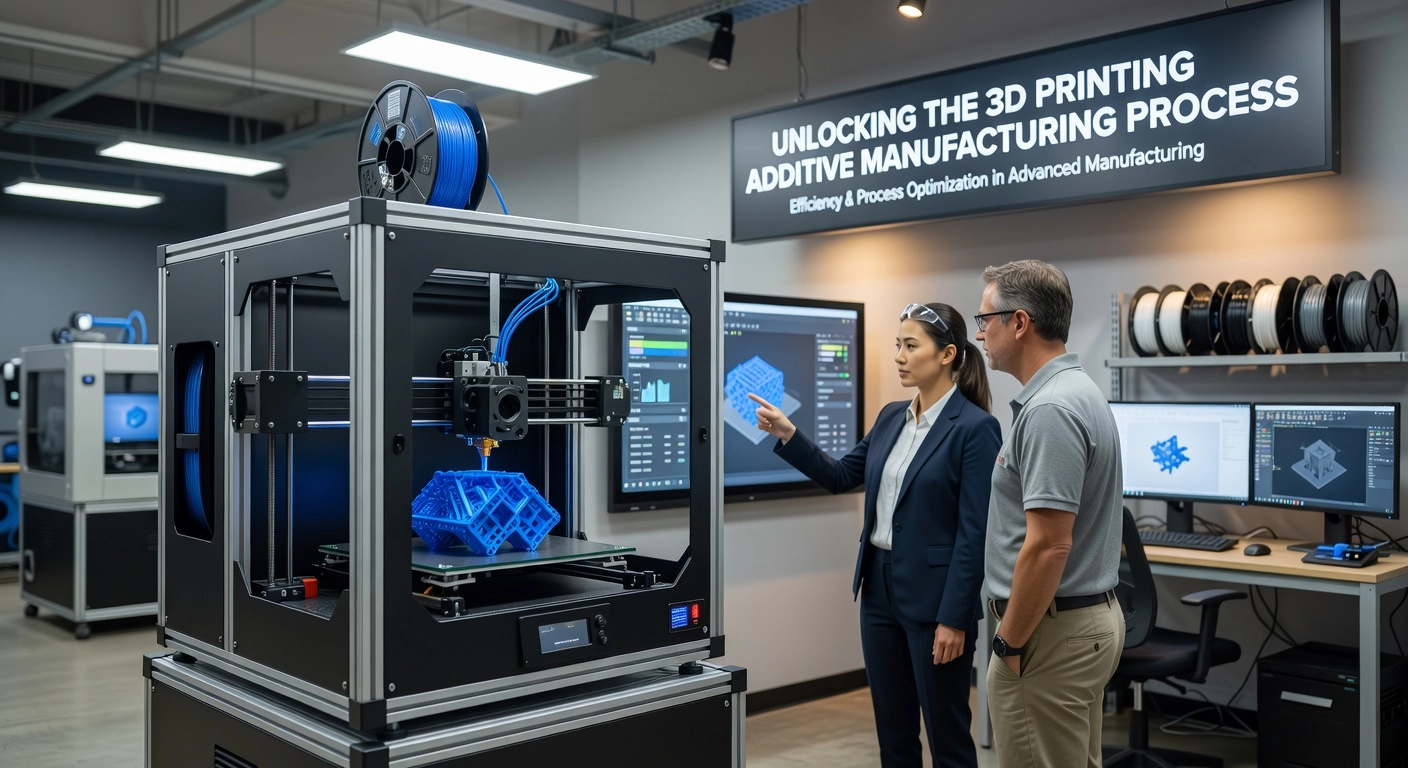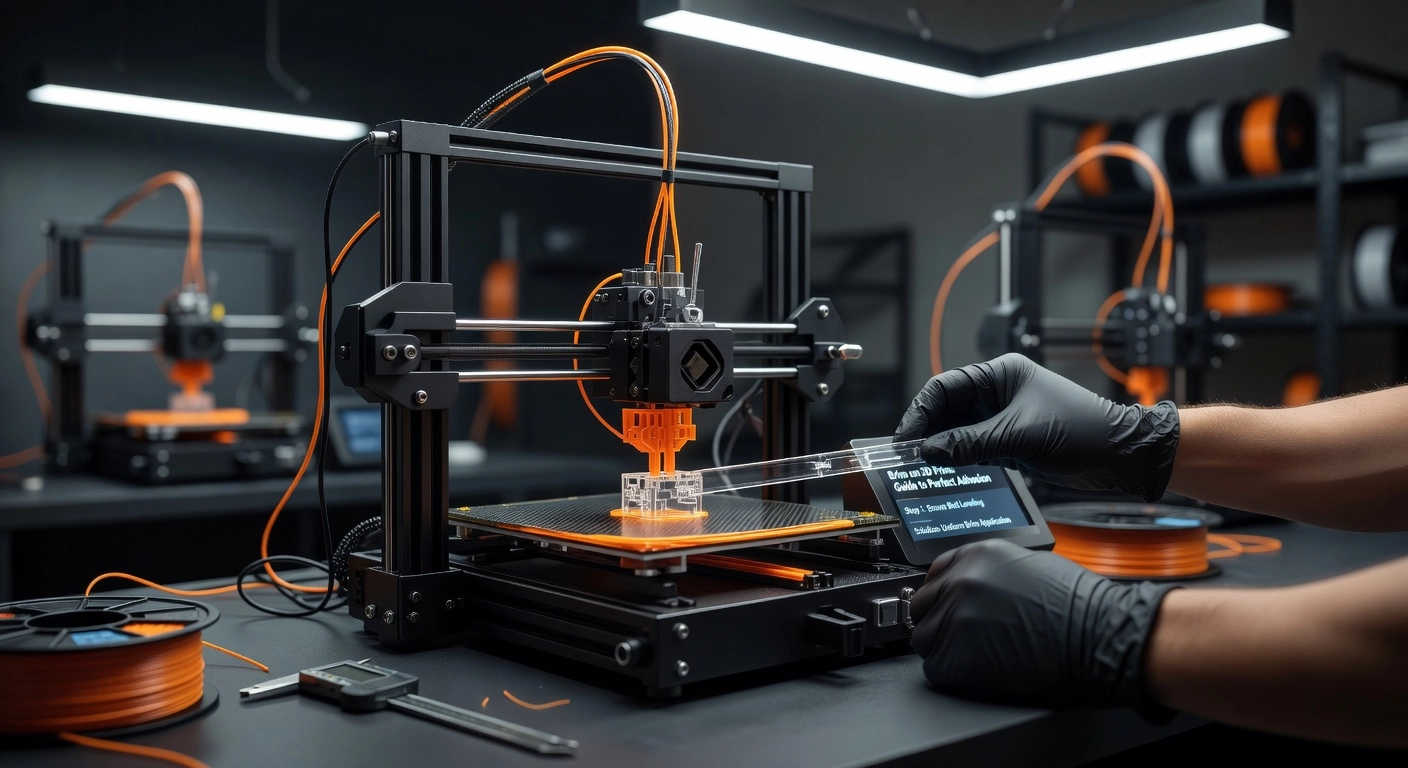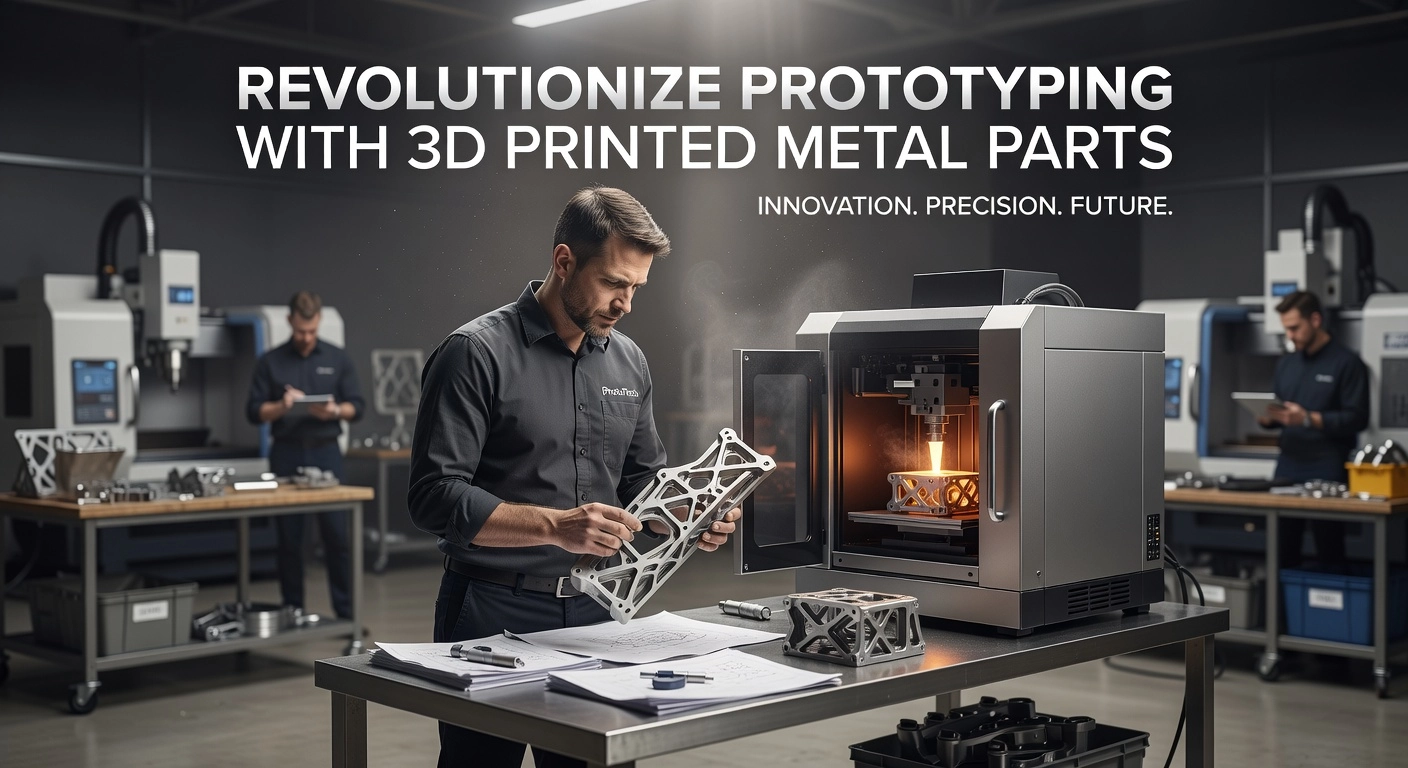
3D printing has moved from novelty prototypes to production-grade parts. It builds lightweight aircraft brackets, patient-specific implants, and limited-run consumer products. If you have been wondering what careers use 3d printing, the answer reaches far beyond machine operators. Designers, engineers, technicians, researchers, and business strategists all contribute to the additive manufacturing value chain.
This list will highlight seven roles that actively leverage 3D printing. You will learn what each job does day to day, the software and materials they rely on, the industries that hire them, and the skills that lead to advancement. We will call out common entry paths, certifications that matter, and portfolio tips that help you stand out. Whether you are pivoting from traditional manufacturing or deepening an existing design background, expect practical examples and realistic expectations about collaboration, timelines, and quality control. By the end, you will be able to map your current strengths to specific positions, identify gaps to close, and choose the next step that brings you closer to an additive-focused career.
Healthcare Innovators: Pioneering Patient Solutions
1) Customized prosthetics and implants
Clinicians increasingly rely on 3D printing to deliver prosthetics and implants that match each patient’s anatomy with submillimeter fidelity. The prosthetics and implants segment led healthcare additive manufacturing in 2024, with roughly 35.5% share, reflecting demand for patient-specific parts, as detailed in healthcare 3D printing market analysis. Since 2010, regulators have cleared more than 500 3D printed medical devices, including cranial and spinal implants and dental prostheses, according to FDA clearances for 3D printed devices. Prosthetists, dental technicians, and biomedical engineers convert scans into printable geometries, then use Filamet to create near-net metal patterns, casting trees, and robust fixtures for finishing.
2) Bioprinting for tissue regeneration and organs
Bioprinting extends these gains to regenerative medicine, where labs deposit living cells and biomaterials to build tissue constructs. In orthopedics, bioprinted bone scaffolds infused with osteogenic cues have shown up to 80% higher regeneration in preclinical models, per this bioprinting in orthopedics review. Tissue engineers, cell biologists, and clinical researchers use printed scaffolds, perfusion manifolds, and custom bioreactor hardware to control mass transport and mechanical cues. The Virtual Foundry’s metal, glass, and ceramic prints support radiopaque phantoms, sterile lab tooling, and custom bioreactor parts, so teams iterate flow paths and attachment points in days.
3) Streamlined patient-specific equipment
Patient-specific equipment, from anatomical models to drill guides, streamlines planning and reduces time in the operating room. On-site printing can cut lead times by up to 90%, while lowering costs for low-volume instruments, jigs, and positioning fixtures across departments, and enabling training and communication for multidisciplinary teams. Using Filamet, teams produce sterilizable metal handles, torque-limiting adapters, and durable reference markers, then finish surfaces with TVF guidance. Operationalize by standardizing a DICOM-to-mesh pipeline, selecting materials per sterilization method, validating in a sim lab, and documenting QA.
Automotive Visionaries: Shaping the Future of Cars
1) Rapid prototyping accelerates innovation and design testing
Automotive teams use additive manufacturing to compress design cycles, validate ergonomics, and test thermal and mechanical assumptions in days, not months. Industry surveys show prototyping remains the top use case, and real-world programs report lead time reductions approaching 90 percent for certain parts. For context on typical applications in interiors and powertrain development, see this overview of 3D printing in automotive. The Virtual Foundry’s Filamet enables metal prototypes on widely available FFF printers, lowering capital barriers and letting engineers iterate in polymer for fit checks, then in sintered metal for heat and load testing. Actionable tip, establish a weekly sprint loop, print PLA for geometry verification, then transition to Filamet with calibrated shrink factors in CAD to produce functional metal prototypes ready for bench testing.
2) Production of lightweight components improves fuel efficiency
Weight reduction boosts acceleration, handling, and efficiency, especially for EV range. Additive processes excel at lattices, variable wall thickness, and consolidation of multi-part assemblies, which can remove significant mass while maintaining stiffness. Automakers have documented weight and performance gains from metal and polymer 3D printed parts, as summarized in this case study on weight reduction. With Filamet, teams can topology-optimize brackets, ducts, and heat shields, then print and sinter stainless, copper, or bronze variants that balance strength, temperature resistance, and cost. Actionable tip, pair topology optimization with lattice infill targets of 30 to 60 percent mass reduction, validate with FEA, and run thermal cycling tests post-sinter to confirm fatigue life in underhood environments.
3) Customization options for niche vehicle markets
Low-volume and specialty builders need bespoke parts without expensive tooling, from motorsport cooling manifolds to luxury interior accents. Additive manufacturing supports on-demand, parametric customization, enabling unique geometries, surface textures, and branding with minimal inventory risk. The Virtual Foundry’s open, printer-agnostic approach lets small shops produce true metal parts with the look and feel customers expect, which is critical for premium trims and heritage restorations. For readers asking what careers use 3D printing, automotive R&D engineers, tooling designers, and motorsport fabricators all rely on these workflows to deliver customer-specific solutions. Actionable tip, create a library of configurable CAD templates for common upgrades, capture customer scans, and batch-sinter parts to meet tight delivery windows without carrying stock.
Aerospace Engineers: Taking Flight with Precision
1) Complex parts manufactured with excellent tolerance and accuracy
Aerospace engineers rely on additive manufacturing to realize geometries that consolidate assemblies, integrate internal channels, and meet tight tolerances on critical faces. Design-for-AM workflows increasingly incorporate printer capability models so intent matches outcome, a practice validated by recent advances that integrate process limits into the design stage, see MIT technique for more reliable complex parts. For mission-critical features, hybrid routes pair printing with 5-axis finish machining to achieve up to ±0.005 mm on datums and bores, as reported in this aerospace case study on hybrid AM and machining. With Filamet from The Virtual Foundry, teams print near-net pure metal brackets, ducts, and housings, then account for predictable sintering shrink in their CAD, typically through calibrated scale factors and witness coupons. Actionable tip, lock critical tolerances to post-machined surfaces, and use additive freedom for internal complexity, thermal management, and part consolidation.
2) Weight reduction strategies improve performance and fuel economy
Topology optimization and lattice infill reduce mass while maintaining stiffness, directly improving range and fuel burn. A study indicates that 3D-printed metal components can cut aircraft weight by about 7 percent, translating to roughly 6.4 percent fuel savings, see the weight reduction and fuel savings analysis. The Virtual Foundry’s approach makes these gains accessible at the desktop scale, enabling structural engineers to iterate on skeletal ribs, bracket cutouts, and duct splines before committing to flight-grade alloys. Practical workflow, run load cases in your FEA tool, export optimized forms with printable thicknesses, and leverage infill patterns that promote stiffness-to-weight ratios aligned with your vibration modes.
3) Widely used in prototype and testing phases for new designs
Rapid AM prototyping compresses wind tunnel, fit check, and systems integration cycles from weeks to days, with case studies showing lead times dropping from 3 to 4 weeks to about 7 working days, see rapid prototyping results in aerospace. Manufacturing and test engineers print full-scale UAV frames, ECS ducting, and avionics trays to validate interfaces and airflow before tooling. With Filamet, teams sinter functional metal prototypes for thermal and vibration testing, then iterate immediately based on data. Best practice, standardize a print-sinter-CMM loop, archive metrology and mechanical results, and release only geometries that pass tolerance and load criteria.
Fashion Designers: Crafting with Unmatched Creativity
1) Create intricate wearable designs and functional gears
Additive techniques let designers realize latticed textiles, articulated panels, and biomorphic textures that are impractical with cut-and-sew. Emerging materials and processes, including biodegradable polymers and elastomeric resins, expand what is wearable and how it moves, as highlighted in these must‑know 3D printing trends in fashion. For hardwear such as buckles, corsetry components, kinetic jewelry, and micro‑gears for motion effects, The Virtual Foundry’s Filamet enables accessible pure‑metal parts that can be polished, patinated, and structurally integrated into garments. Practical tip: design interlocking features with 0.2 to 0.4 mm clearance for polymer test prints, then scale for sintering, typically planning for 10 to 20 percent linear shrink depending on alloy and cycle. When you need skin-safe finishes, specify post processing steps such as tumbling, passivation, or clear coating to achieve both aesthetic and wearability requirements.
2) Customize for truly unique fashion statements
Personalization is a prime driver in wearable adoption, with analysts reporting that customized applications represent a majority share of demand in this space, as noted in this 3D printed wearables market overview. Parametric workflows allow you to grade silhouettes to exact body scans, swap patterns on the fly, and adapt closures for accessibility. Filamet opens metal customization at boutique scale, from monogrammed closures in bronze or copper to limited-edition textures that respond beautifully to patinas and heat-coloring. Build a client-facing configurator that captures measurements, motif choice, material, and finish, then auto-generates print files and a finishing plan. This approach supports inclusive sizing, on-demand production, and small-batch exclusivity without carrying inventory risk.
3) Prototype rapidly to iterate with confidence
A fast loop from concept to runway keeps collections responsive. Start with polymer proofs to validate drape, articulation, and comfort overnight, then finalize weight, feel, and durability by reprinting critical trims in Filamet before sintering. This reduces waste compared to subtractive or cut-based methods, since additive processes use only the material required, a sustainability edge echoed in current fashion-focused 3D printing trend analyses. For teams studying what careers use 3D printing, note that digital patternmakers, materials researchers, and finishing specialists can collaborate in parallel, compressing lead times and cost. Many luxury houses already showcase additive elements in couture, signaling mainstream readiness and offering inspiration for iterative workflows, as seen in this survey of brands harnessing 3D printed fashion.
Construction and Architecture: Building the Future
- Model making and scaled prototyping. Architects and builders convert BIM files into detailed study models in hours, not weeks. Layer heights of 0.15 to 0.25 mm capture facade relief, stair geometry, and site grading with clarity beyond 2D drawings. The 3D Print Canal House project showed how complex architectural components can be prototyped directly from parametric designs. For metal details like custom brackets, signage, or facade tiles, Filamet from The Virtual Foundry lets teams print, debind, and sinter pure metal samples to evaluate finish, weight, and fastener interfaces. Actionable tip, export a watertight STL from BIM, plan for sintering shrinkage when printing metal, and expect design-cycle lead times to drop by as much as 90 percent when additive is integrated early.
- Full-scale construction with printed building elements. Large-format printers now fabricate walls, cores, and formwork in 24 to 72 hours, enabling faster dry-in and predictable schedules. Pilot projects have demonstrated 30 to 50 percent cost reductions, especially where labor shortages constrain throughput. Curved walls, cellular infill, and integrated conduits are practical because geometry complexity does not add significant cost. Additive-ready teams use The Virtual Foundry workflows to produce metal end-effectors, custom trowels, and on-site fixtures that withstand job demands after sintering, which shortens procurement and avoids supply bottlenecks. Start with code-neutral components like site tooling, then expand to printed forms and non-structural parts as your QA process matures.
- Sustainability and waste reduction at the jobsite. Additive construction places material only where needed, cutting waste by up to 60 percent compared to subtractive or overbuilt methods. On-site printing reduces transport emissions and encourages the use of local aggregates or bio-based blends. Concrete accounts for roughly 8 percent of global CO2, so optimizing mix volume and shifting to alternative binders can move the needle. Metal parts printed with Filamet enter conventional recycling streams, supporting closed-loop material plans and repair-first strategies. Track embodied carbon in your BIM, run LCA checks at each design gate, and standardize print parameters for repeatable low-waste results.
Educational Institutions: Cultivating Future Innovators
1) Teaching tool for engineering, art, and design disciplines
Additive manufacturing turns abstract theory into tangible outcomes, which is why it is now embedded across engineering, art, and design studios. In engineering labs, students print test coupons to study stress concentration, lattice behavior, and heat transfer, then correlate results with simulation for a tighter theory-to-practice loop. Art and design students explore complex geometries, sculptural textures, and wearable structures that are impractical to hand fabricate, building fluency in digital craft. With Filamet, classes learn the full metal workflow, from design for debinding and sintering to metallurgy and finishing. Instructors can teach predictable linear shrink factors, often in the range of 12 to 20 percent depending on alloy and cycle, along with kiln curve development, carbon support strategies, and post-processing like tumbling, patination, and machining. Given that roughly 70 percent of manufacturers report using 3D printing in some form, these skills map directly to real-world career paths.
2) Facilitates innovative student-led manufacturing projects
Student teams leverage 3D printing to move from concept to hardware quickly, enabling capstones, hackathons, and competition vehicles to advance on tight timelines. Documented projects include student-built, 3D printed metal rocket engines and field-ready fixtures that cut costs while improving performance. Typical results include 50 to 90 percent reductions in lead time and significant material savings through topology optimization. Using The Virtual Foundry’s materials, teams create conductive copper heat exchangers, bronze tooling inserts, and stainless components suitable for vacuum or high-temperature environments. Practical guidance includes standardizing printer calibration, printing sintering test bricks to verify shrink rates, and maintaining traveler sheets for repeatable heat-treatment cycles. These workflows help students deliver functional parts for aerospace, robotics, biomedical, and energy applications.
3) Supports research and development within the academic sector
Universities rely on additive manufacturing to investigate new materials, multi-physics designs, and manufacturing science. Researchers use Filamet to prototype microreactors, catalytic substrates, radiation-moderating components, and custom lab hardware at a fraction of the cost of traditional machining, often tens of dollars per part instead of thousands. Open, accessible metal printing accelerates iterative experiments, compressing cycles from weeks to days and freeing grant budgets for higher impact work. Labs can run design of experiments on sintering variables, binder burnout, and infill strategies to publish reproducible methods. The Virtual Foundry’s community knowledge base and application support help faculty and students scale from a single printer to shared facilities, strengthening cross-disciplinary research and workforce readiness.
Consumer Electronics: Perfecting Tech Solutions
1) Prototyping enables swift design revisions and feature testing
Consumer electronics teams iterate at high speed, and additive prototyping makes that cadence practical. Printing housings, buttons, heat spreaders, and shielding in hours means engineers can validate ergonomics, airflow, and signal integrity the same day. With Filamet, designers can print copper or stainless steel prototypes on common FFF platforms, then debind and sinter to evaluate real thermal paths and EMI performance before committing to tooling. Programs routinely compress validation cycles, many report lead time cuts of 50 to 90 percent and prototyping cost reductions of 30 to 50 percent. Practical workflow tip, run 24 hour sprint loops that pair polymer prints for fit checks with metal iterations for thermal and RF tests, then record results in a DFM checklist for the next pass.
2) Custom components tailored for niche electronics markets
Niche device makers thrive on differentiation, and custom components are where additive shines. Small batches of pure metal parts, such as threaded inserts, RF shields, grounding clips, heat sinks, and connector brackets, are printable with Filamet, then finished to production quality with accessible polishing and coating steps. For wearables and IoT, teams combine metal parts with printed glass or ceramic features to create insulated antenna fixtures and compact sensor carriers that would be uneconomical with machining. The 3D printed electronics segment increasingly serves consumer devices, accounting for roughly 30 percent of use, and favors low volume, high variety production. Actionable approach, maintain parametric CAD templates for enclosures, bosses, and thermal features, and keep a materials log of measured conductivity, emissivity, and shrink factors to accelerate repeatable results.
3) Parallel production cuts costs and time to market
Running multiple desktop printers in parallel, then sintering batches, reduces bottlenecks and enables localized builds near assembly lines. Organizations adopting additive report up to 70 percent cost savings and development timelines shrinking from 18 months to about 6 months when design, tooling, and pilot runs proceed in parallel. The Virtual Foundry’s open, material forward approach integrates with existing printers and kilns, so teams avoid long tooling queues and proprietary lock in. For execution, standardize print profiles, prebuild fixture kits for test labs, and compensate for sintering shrink in CAD to hit tolerance on the first article. This parallel model turns engineering change orders into fast, verifiable updates, keeping launches on schedule.
Democratizing Metal 3D Printing with The Virtual Foundry
- Filamet simplifies production of pure metal parts. Compatible with open-architecture FFF printers, Filamet contains 60 to 90 percent metal by mass. Users print with familiar PLA-like temperatures, then debind and sinter to achieve fully metal parts. Design teams can produce stainless brackets, copper heat spreaders, or tungsten shielding directly from CAD. For predictable results, model alloy-specific shrink factors and run small calibration coupons before committing to critical geometries.
- Metal printing becomes affordable for hobbyists and professionals. Because it runs on existing filament printers, entry costs stay low, and complete processing packages are available for under ten thousand dollars. Shops report compressing prototype-to-part lead time from weeks to days while cutting per-part costs by up to 70 percent. A jewelry studio can iterate bronze pieces overnight, then finish by tumbling and patination. Small manufacturers replace outsourced jigs with on-site stainless inserts, improving uptime and cash flow.
- An active community accelerates learning and collaboration. Users share kiln schedules, fixture strategies, and finishing recipes that translate across alloys like copper, bronze, stainless, and tungsten. Educators, artists, and engineers co-develop methods for porosity control and surface quality, which newcomers can adopt quickly. For anyone exploring what careers use 3D printing, these shared playbooks empower roles from lab technician to design engineer to studio artist. Start with community-vetted profiles, then document your own iterations to contribute back.
Conclusion: A Digital Craftsmanship Revolution
1) Diverse career opportunities span multiple dynamic sectors
Across healthcare, aerospace, automotive, construction, fashion, and electronics, additive manufacturing is opening roles beyond the print lab. Application engineers, DFAM designers, materials specialists, and quality technicians now collaborate with clinicians, pilots, and architects. With about 70 percent of manufacturers using 3D printing, opportunities include surgical modelers, lattice specialists, and tooling engineers who cut lead times by up to 90 percent. If you are asking what careers use 3D printing, align CAD, metrology, validation, and sustainability skills to deliver measurable gains.
2) The Virtual Foundry empowers boundary-pushing innovations
The Virtual Foundry accelerates this shift by making pure metal printing practical on accessible equipment. Filamet, a high metal content filament, prints at familiar temperatures, then sinters into functional copper, bronze, or steel parts used for corrosion resistant fixtures and conductive R&D coupons. Open architecture and shared process knowledge invite artists, educators, and manufacturers to iterate quickly. Start small with a 316L gauge or bronze jewelry master, then tune infill, shells, and sintering profiles to reach target density and finish.
3) Continued growth and adoption shape the future landscape
Momentum will keep building as bioprinting, multi material workflows, and greener feedstocks mature. Healthcare is on track to exceed 20 percent of the market by mid decade, and many programs report cost reductions up to 70 percent. Upskill in DFAM, material characterization, and ASTM F42 standards. Pilot one production relevant part within 90 days, track cost per part and failure modes, then scale when the data confirms repeatability.