Understanding Fuel Cell Technology
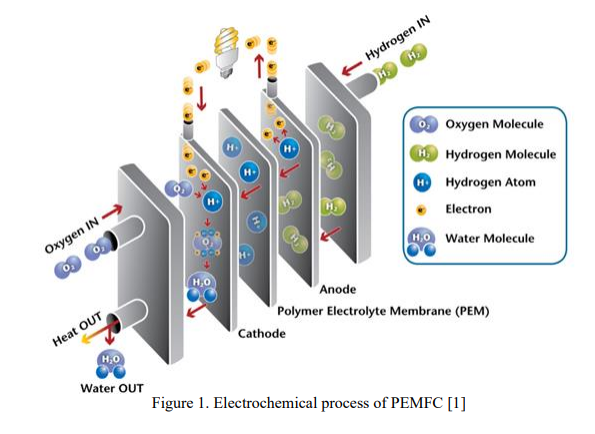
Fuel cell technology is a clean energy solution that converts chemical energy from fuels into electricity through an electrochemical reaction. This process produces only water and heat as byproducts, making it an environmentally friendly alternative to fossil fuels.
In recent years, advancements in fuel cell technology have led to increased efficiency and reduced costs, making them a viable option for various applications, including transportation and stationary power generation. The development of materials like those discussed in the recent paper by David Alexander is crucial for enhancing the performance and longevity of fuel cells.
Key Properties of Bipolar Plates
Bipolar plates are critical components in fuel cells, serving as the conductive medium between individual cells while also providing structural support. Their properties, such as electrical conductivity and corrosion resistance, directly affect the overall performance and durability of the fuel cell system.
The recent research highlights how the use of Filamet™ can meet the stringent requirements for bipolar plates, ensuring they can withstand operational stresses while maintaining optimal electrical performance. This innovation paves the way for more affordable and efficient fuel cell technologies.
Potential Applications of 3D Printed Fuel Cell Components
The application of 3D printed components in fuel cell systems opens up new avenues for design flexibility and rapid prototyping. By utilizing advanced materials and manufacturing techniques, engineers can create complex geometries that enhance the efficiency and performance of fuel cells.
For instance, the ability to produce customized bipolar plates through 3D printing allows for optimized flow channels and reduced weight, which can significantly improve the overall efficiency of fuel cell systems. This adaptability is vital for meeting the evolving demands of the clean energy market.
The Future of Metal 3D Printing in Energy Solutions
As the demand for sustainable energy solutions grows, metal 3D printing is poised to play a pivotal role in the development of advanced technologies. By democratizing access to metal printing, companies like The Virtual Foundry are enabling a wider range of industries to innovate and implement cutting-edge solutions.
The future of metal 3D printing in energy solutions lies in its ability to produce high-performance components that meet the specific needs of various applications. With ongoing research and development, the potential for breakthroughs in fuel cell technology and other energy systems is vast, promising a cleaner, more sustainable future.
Understanding Fuel Cell Technology
Fuel cell technology is a clean energy solution that converts chemical energy from fuels into electricity through an electrochemical reaction. This process produces only water and heat as byproducts, making it an environmentally friendly alternative to fossil fuels.
In recent years, advancements in fuel cell technology have led to increased efficiency and reduced costs, making them a viable option for various applications, including transportation and stationary power generation. The development of materials like those discussed in the recent paper by David Alexander is crucial for enhancing the performance and longevity of fuel cells.
Key Properties of Bipolar Plates
Bipolar plates are critical components in fuel cells, serving as the conductive medium between individual cells while also providing structural support. Their properties, such as electrical conductivity and corrosion resistance, directly affect the overall performance and durability of the fuel cell system.
The recent research highlights how the use of Filamet™ can meet the stringent requirements for bipolar plates, ensuring they can withstand operational stresses while maintaining optimal electrical performance. This innovation paves the way for more affordable and efficient fuel cell technologies.
Potential Applications of 3D Printed Fuel Cell Components
The application of 3D printed components in fuel cell systems opens up new avenues for design flexibility and rapid prototyping. By utilizing advanced materials and manufacturing techniques, engineers can create complex geometries that enhance the efficiency and performance of fuel cells.
For instance, the ability to produce customized bipolar plates through 3D printing allows for optimized flow channels and reduced weight, which can significantly improve the overall efficiency of fuel cell systems. This adaptability is vital for meeting the evolving demands of the clean energy market.
The Future of Metal 3D Printing in Energy Solutions
As the demand for sustainable energy solutions grows, metal 3D printing is poised to play a pivotal role in the development of advanced technologies. By democratizing access to metal printing, companies like The Virtual Foundry are enabling a wider range of industries to innovate and implement cutting-edge solutions.
The future of metal 3D printing in energy solutions lies in its ability to produce high-performance components that meet the specific needs of various applications. With ongoing research and development, the potential for breakthroughs in fuel cell technology and other energy systems is vast, promising a cleaner, more sustainable future.