Frequently Asked Questions
How to set up the temperature for printing nylon carbon fiber composite laser sintering?
Setting up the temperature for printing nylon carbon fiber composite in laser sintering requires careful calibration. Typically, the optimal temperature range is between 160°C to 190°C, ensuring proper fusion and material integrity during the printing process.
What temperature is ideal for nylon sintering?
The ideal temperature for nylon sintering typically ranges between 160°C to 180°C (320°F to 356°F). This range ensures optimal fusion of the nylon particles, resulting in strong and durable 3D printed parts.
How does temperature affect nylon sintering quality?
The effect of temperature on nylon sintering quality is significant. Optimal temperatures enhance the bonding between particles, resulting in stronger and more durable prints, while inadequate temperatures can lead to weak or incomplete sintering.
What materials are best for laser sintering?
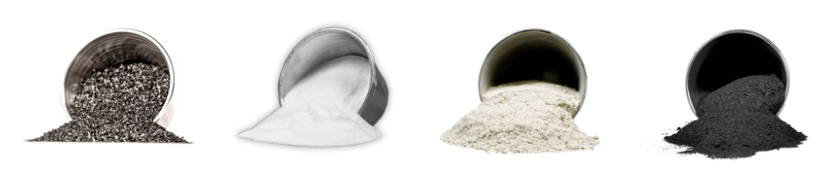
The best materials for laser sintering include nylon, metal powders, and ceramics, as they provide excellent mechanical properties, high precision, and durability, making them ideal for various applications in metal 3D printing processes.
How to optimize sintering parameters for nylon?
Optimizing sintering parameters for nylon involves adjusting temperature, time, and pressure to achieve the best material properties. Start with a temperature range of 180-200°C, maintain a sintering time of 30-60 minutes, and apply moderate pressure to enhance density and strength.
What are common issues in nylon sintering?
Common issues in nylon sintering include poor powder flow, insufficient heating leading to incomplete melting, and warping during cooling. These factors can affect the overall quality and strength of the final printed parts.
How to achieve better layer adhesion in sintering?
Achieving better layer adhesion in sintering involves optimizing temperature settings, ensuring uniform powder distribution, and controlling the sintering atmosphere. These factors enhance the bonding between layers, resulting in a stronger final product.
What is the role of carbon in sintering?
The role of carbon in sintering is to act as a reducing agent, facilitating the removal of oxides from metal powders. This process enhances the densification and mechanical properties of the final 3D printed components.
How to prevent warping during nylon sintering?
Preventing warping during nylon sintering involves maintaining consistent heating and cooling rates, using proper support structures, and ensuring optimal layer adhesion. Additionally, consider using a heated build chamber to minimize temperature fluctuations.
What post-processing is needed after sintering?
Post-processing needed after sintering includes methods such as machining, surface finishing, and heat treatment to achieve desired dimensional accuracy, surface quality, and mechanical properties of the final metal 3D printed part.
How to select the right sintering powder?
Selecting the right sintering powder involves considering the specific application, desired mechanical properties, and compatibility with your 3D printing process. Evaluate factors such as particle size, flowability, and thermal characteristics to make an informed choice.
What are the benefits of nylon carbon composites?
The benefits of nylon carbon composites include enhanced strength, reduced weight, improved impact resistance, and excellent thermal stability, making them ideal for various applications in metal 3D printing and other advanced manufacturing processes.
How does laser power influence sintering results?
The influence of laser power on sintering results is significant. Higher laser power can enhance the melting of sintering powders, leading to improved density and mechanical properties, while insufficient power may result in poor bonding and structural integrity.
What is the sintering time for nylon composites?
The sintering time for nylon composites typically ranges from 30 minutes to several hours, depending on the specific formulation and desired properties of the final product. Proper temperature control is essential for optimal results.
How to ensure uniform heating in sintering?
Ensuring uniform heating in sintering involves optimizing the temperature distribution within the furnace, using advanced heating technologies, and carefully controlling the heating rate. This approach promotes consistent material properties and enhances the overall quality of the sintered parts.
What safety measures are needed for sintering?
The safety measures needed for sintering include using appropriate personal protective equipment (PPE), ensuring proper ventilation to avoid inhalation of harmful powders, and following all manufacturer guidelines for handling and processing materials.
How to troubleshoot sintering defects effectively?
Troubleshooting sintering defects effectively involves systematically assessing factors such as powder quality, sintering temperature, and time. Adjust these parameters based on observed issues to enhance material density and integrity in 3D printing processes.
What is the impact of humidity on sintering?
The impact of humidity on sintering is significant; excessive moisture can lead to inconsistent powder behavior, affecting the density and strength of the final product. Proper humidity control is essential for optimal sintering results.
How to maintain sintering equipment properly?
Proper maintenance of sintering equipment involves regular cleaning, routine inspections for wear and tear, and ensuring optimal operating conditions by monitoring temperature and pressure settings. Additionally, following manufacturer guidelines for maintenance schedules is essential.
What are the best practices for sintering?
The best practices for sintering include using high-quality powders, maintaining optimal temperature and time settings, ensuring proper atmosphere control, and regularly monitoring the sintering process to achieve consistent results and minimize defects.
How to improve surface finish in sintered parts?
Improving surface finish in sintered parts involves optimizing the sintering process parameters, such as temperature and time, and utilizing post-processing techniques like machining, polishing, or coating to enhance the final appearance and functionality.
What is the significance of particle size in sintering?
The significance of particle size in sintering lies in its impact on the density and mechanical properties of the final product. Smaller particles enhance surface area, promoting better bonding and leading to improved strength and uniformity in 3D printed components.
How to evaluate sintering performance metrics?
Evaluating sintering performance metrics involves analyzing factors such as density, microstructure, and mechanical properties of the sintered material. These metrics help determine the effectiveness of the sintering process and the suitability of the material for specific applications.
What are the latest advancements in sintering technology?
The latest advancements in sintering technology include enhanced materials that improve thermal conductivity, innovative techniques for optimizing powder distribution, and the integration of artificial intelligence for better process control, resulting in higher efficiency and precision in metal 3D printing.
How to recycle sintering powders efficiently?
Recycling sintering powders efficiently involves collecting unused or excess powders, ensuring they are clean and free from contaminants, and then properly storing them for reuse in future 3D printing processes. Regularly testing the recycled powders for quality is essential.
What is the cost-effectiveness of nylon sintering?
The cost-effectiveness of nylon sintering lies in its ability to produce complex geometries with minimal waste, reducing material costs while maintaining high-quality output. Additionally, the durability of nylon parts often leads to lower long-term operational expenses.
How to scale up nylon sintering processes?
Scaling up nylon sintering processes involves optimizing parameters such as temperature, time, and powder distribution while ensuring consistent quality. Additionally, investing in advanced machinery and automating workflows can significantly enhance production efficiency and output.
What are the environmental impacts of sintering?
The environmental impacts of sintering include energy consumption, emissions of greenhouse gases, and the generation of waste materials. However, advancements in technology aim to mitigate these effects, promoting more sustainable practices in metal 3D printing.
How to achieve precise dimensional accuracy in sintering?
Achieving precise dimensional accuracy in sintering involves optimizing parameters such as temperature, pressure, and time, as well as using high-quality powders. Proper calibration of the 3D printer and consistent monitoring throughout the process are also crucial.
What are the applications of nylon sintered parts?
The applications of nylon sintered parts include functional prototypes, complex geometries, lightweight components, and end-use products in industries such as automotive, aerospace, and consumer goods, benefiting from nylon's strength and flexibility.