Understanding Metal 3D Printing Technologies
Metal 3D printing encompasses various technologies that enable the creation of intricate metal parts through additive manufacturing. Techniques such as Selective Laser Melting (SLM) and Binder Jetting are pivotal in transforming digital models into physical objects, allowing for complex geometries that traditional manufacturing methods cannot achieve.
Each technology has its unique strengths and applications. For instance, SLM is favored for its high precision and ability to produce dense metal parts, while Binder Jetting is known for its speed and cost-effectiveness, making it ideal for prototyping and low-volume production. Understanding these technologies is crucial for selecting the right method for specific project requirements.
Applications of Metal 3D Printing in Various Industries
Metal 3D printing is revolutionizing multiple industries, including aerospace, automotive, and healthcare. Its ability to produce lightweight yet strong components is particularly beneficial in sectors where performance and efficiency are paramount.
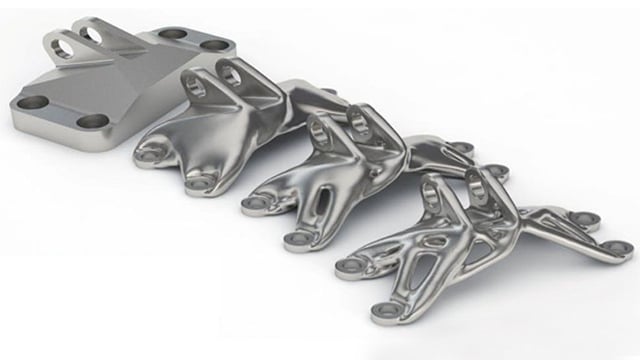
For example, in aerospace, companies are leveraging metal 3D printing to create complex engine parts that reduce weight and improve fuel efficiency. Similarly, in healthcare, custom implants and prosthetics can be manufactured to fit individual patients' needs, showcasing the versatility and potential of this technology across diverse fields.
Best Practices for Metal 3D Printing with Filamet™
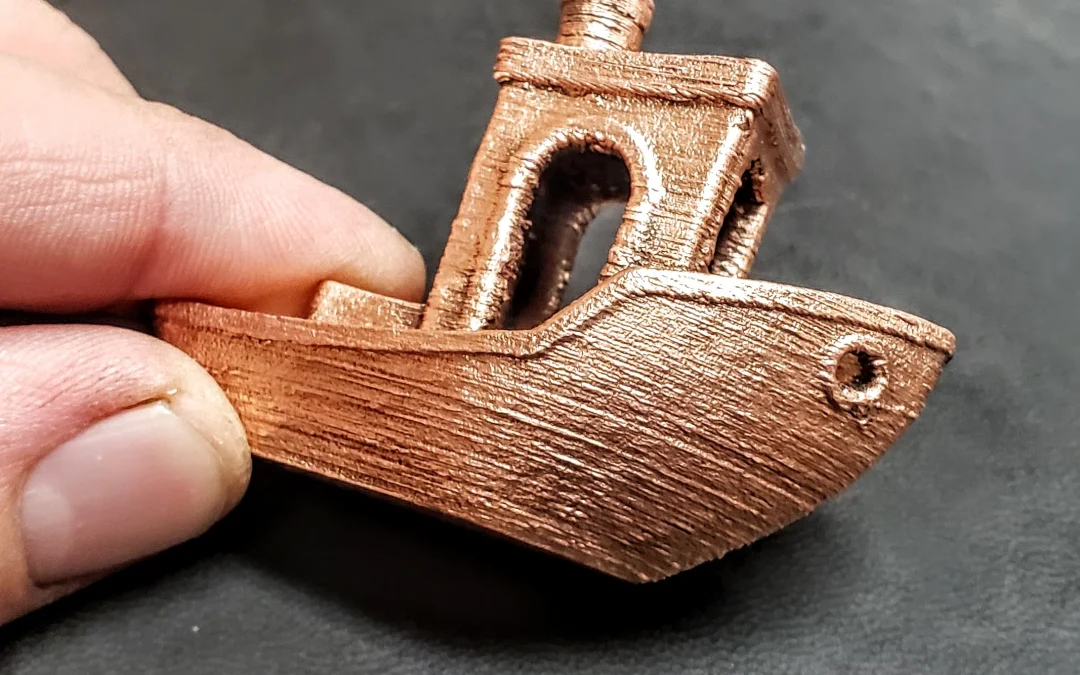
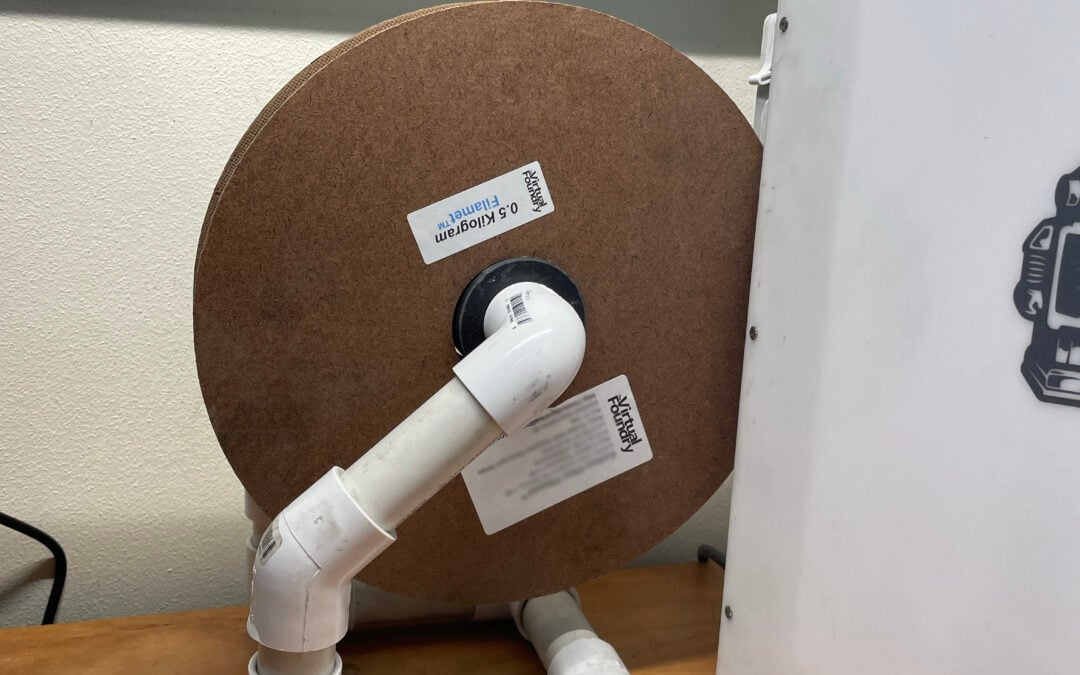
To achieve optimal results when printing with Filamet™, it's essential to follow best practices that enhance print quality and material performance. This includes ensuring the printer is properly calibrated, maintaining the right temperature settings, and using appropriate print speeds to prevent common issues such as warping and layer adhesion failures.
Additionally, experimenting with different design parameters can lead to improved outcomes. For instance, adjusting infill patterns and support structures can significantly influence the strength and finish of the final product, making it crucial for users to understand how these factors interact during the printing process.
Future Trends in Metal 3D Printing
The future of metal 3D printing is poised for significant advancements as technology continues to evolve. Innovations in materials, such as the development of new metal alloys specifically designed for additive manufacturing, will enhance the capabilities and applications of this technology.
Furthermore, the integration of artificial intelligence and machine learning in the design and printing processes is expected to streamline operations and improve efficiency. As these trends unfold, companies will be better equipped to meet the growing demands for customization and rapid prototyping in the metal fabrication industry.
Understanding Metal 3D Printing Technologies
Metal 3D printing encompasses various technologies that enable the creation of intricate metal parts through additive manufacturing. Techniques such as Selective Laser Melting (SLM) and Binder Jetting are pivotal in transforming digital models into physical objects, allowing for complex geometries that traditional manufacturing methods cannot achieve.
Each technology has its unique strengths and applications. For instance, SLM is favored for its high precision and ability to produce dense metal parts, while Binder Jetting is known for its speed and cost-effectiveness, making it ideal for prototyping and low-volume production. Understanding these technologies is crucial for selecting the right method for specific project requirements.
Applications of Metal 3D Printing in Various Industries
Metal 3D printing is revolutionizing multiple industries, including aerospace, automotive, and healthcare. Its ability to produce lightweight yet strong components is particularly beneficial in sectors where performance and efficiency are paramount.
For example, in aerospace, companies are leveraging metal 3D printing to create complex engine parts that reduce weight and improve fuel efficiency. Similarly, in healthcare, custom implants and prosthetics can be manufactured to fit individual patients' needs, showcasing the versatility and potential of this technology across diverse fields.
Best Practices for Metal 3D Printing with Filamet™
To achieve optimal results when printing with Filamet™, it's essential to follow best practices that enhance print quality and material performance. This includes ensuring the printer is properly calibrated, maintaining the right temperature settings, and using appropriate print speeds to prevent common issues such as warping and layer adhesion failures.
Additionally, experimenting with different design parameters can lead to improved outcomes. For instance, adjusting infill patterns and support structures can significantly influence the strength and finish of the final product, making it crucial for users to understand how these factors interact during the printing process.
Future Trends in Metal 3D Printing
The future of metal 3D printing is poised for significant advancements as technology continues to evolve. Innovations in materials, such as the development of new metal alloys specifically designed for additive manufacturing, will enhance the capabilities and applications of this technology.
Furthermore, the integration of artificial intelligence and machine learning in the design and printing processes is expected to streamline operations and improve efficiency. As these trends unfold, companies will be better equipped to meet the growing demands for customization and rapid prototyping in the metal fabrication industry.