15 Useful 3D Prints Powered by Real Metal

by | May 11, 2026 | Uncategorized

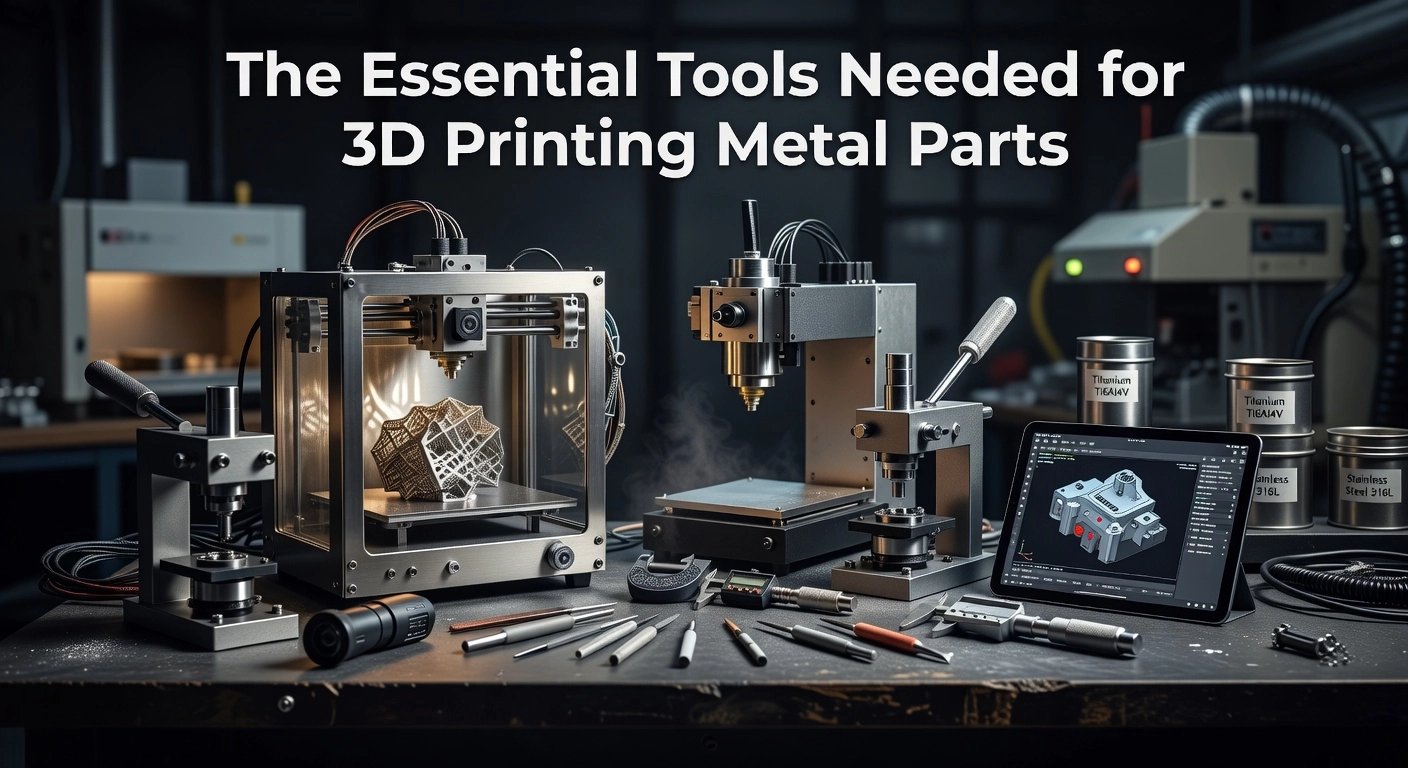
Hey there, fellow 3D printing newbie! Have you ever printed a cool gadget on your printer, only to watch it snap like a twig under real use? Yeah, me too. Plastic is fun for prototypes, but when you want stuff that lasts, real metal steps in like a superhero. That’s where useful 3D prints powered by metal come in, and trust me, they’re a game-changer for beginners like us.

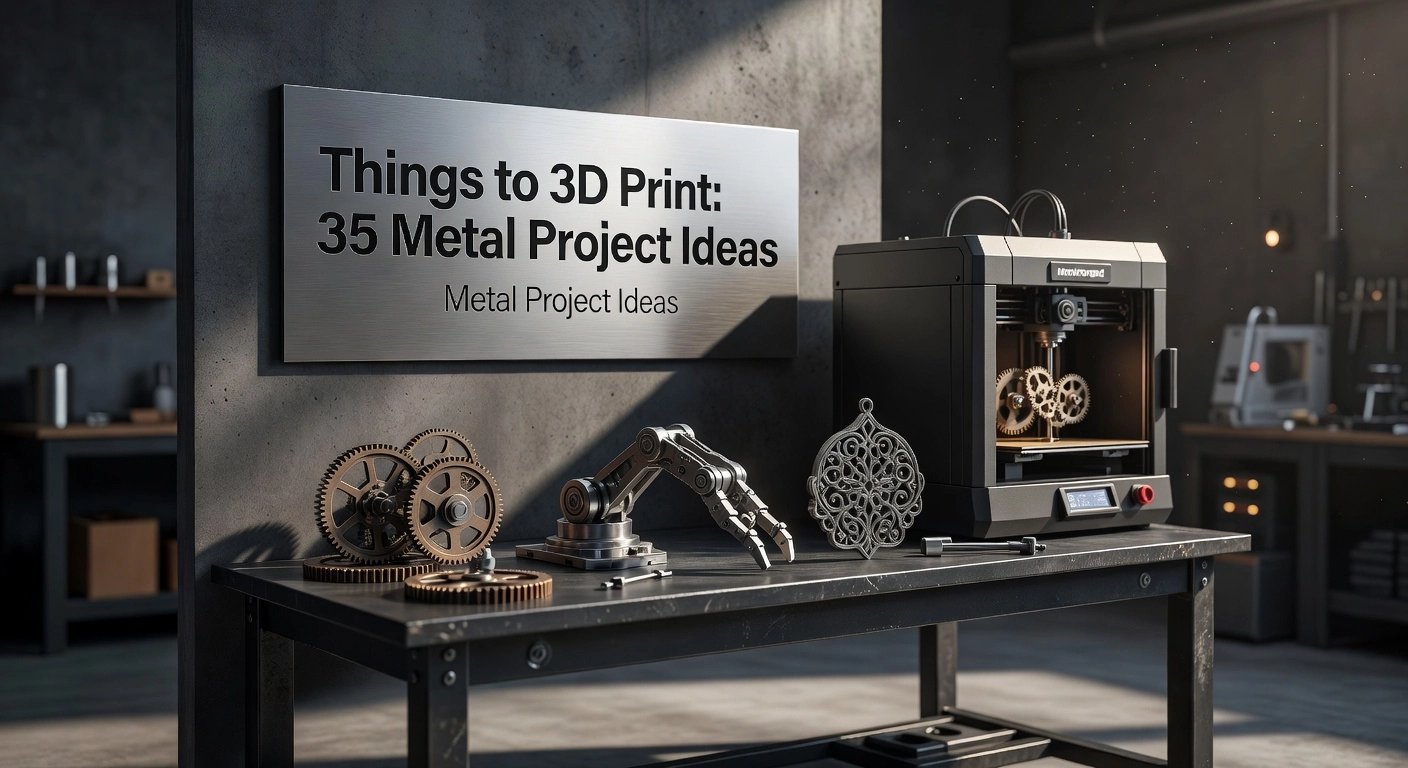
In this post, we’re diving into 15 useful 3D prints that pack genuine metal strength without needing a fancy industrial setup. We’re talking everyday heroes: tools that won’t bend, custom hardware for your workshop, and clever fixes for home projects. These aren’t pie-in-the-sky ideas. They use accessible metal-infused filaments or simple post-processing tricks you can try on your basic printer.

Stick around, and by the end, you’ll have a lineup of practical prints to level up your skills. Whether you’re fixing bikes, organizing your garage, or just impressing friends, these metal-boosted designs make 3D printing feel truly useful. Ready to print stronger? Let’s jump in!

Why Metal 3D Prints Dominate Useful Projects in 2026

  1. The Booming Metal 3D Printing Market Powers Useful Projects

Hey there, fellow 3D printing newbie! Imagine a world where your prints aren’t just cool prototypes but tough, everyday workhorses. That’s the reality in 2026, with the metal 3D printing market hitting USD 14.76 billion, and it’s set to skyrocket to USD 36.94 billion by 2030 at a whopping 25.8% CAGR, according to Research and Markets. This surge comes from the huge demand for durable end-use parts that stand up to real abuse in aerospace, manufacturing, and even your garage. Think complex gears or custom brackets that last years, not weeks. For beginners, this means accessible filaments let you join the action on your basic printer, turning hobbies into practical wins.

  1. Ditching PLA for Metal: Longevity in Hooks, Organizers, and More

Remember those PLA cable clips that snap after a month? By 2026, makers are switching to metal for items like heavy-duty hooks and desk organizers that endure daily wear. Metal prints offer superior strength and heat resistance after simple sintering, matching wrought metal density. This shift ties into the FDM market exploding from USD 3.07 billion in 2026 to USD 18.11 billion by 2035 (21.8% CAGR). Start small: print a metal hook with Filamet™, sinter it, and watch it hold 50 pounds effortlessly. It’s a game-changer for beginner workshops craving reliability.

  1. The Virtual Foundry‘s Filamet™: 3000+ Users from Hobbyists to NASA

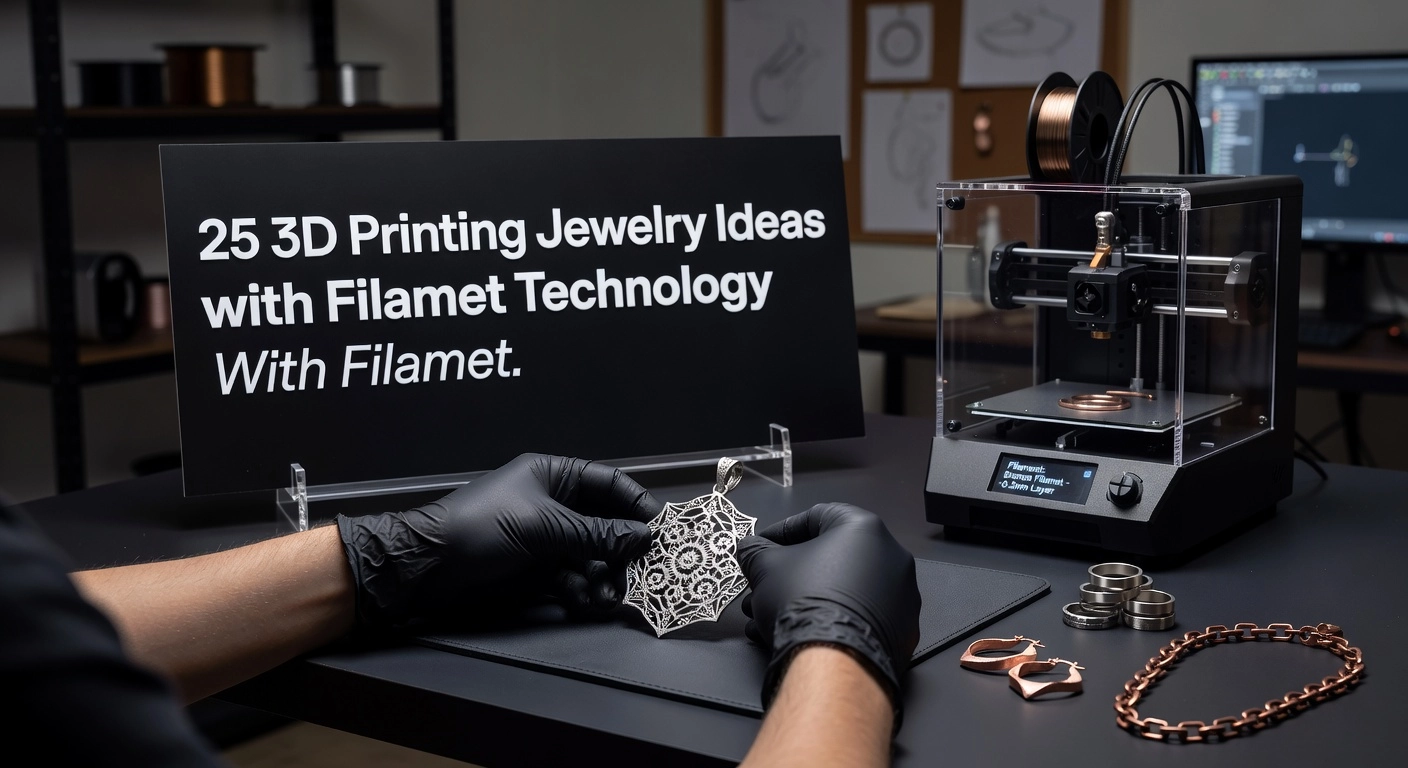
The Virtual Foundry makes this easy with Filamet™, their metal-packed filaments (88-94% pure metal) that work on standard printers like Prusa. Over 3000 customers, from home tinkerers to NASA teams, use it for real utility like radiation shields or aerospace parts. No fancy gear needed, just a hardened nozzle and post-processing tips from their community. Beginners love printing jewelry or tooling that performs like pro stuff. Check out their metal 3D printing benefits for starter guides.

  1. From Consumer Gadgets to Production-Grade Home Workshops

Trends show your prints evolving: metal filaments turn casual FDM sessions into pro production for small batches. Workshops and homes now make scalable organizers or fixtures with 90% less waste. Actionable tip: design with lattices for lighter, stronger parts, sinter, and polish for that factory finish. This democratizes high-end making, perfect for beginners stepping up their useful 3D prints game.

How The Virtual Foundry Thrives with Open Metal Tech

Hey, if you’re just getting into 3D printing, you’ve probably printed some handy desk organizers or cable clips with basic PLA. But imagine taking those useful 3D prints to the next level with real metal parts that stand up to tough jobs. That’s where The Virtual Foundry shines with their game-changing Filamet™ filaments.

1. Filamet™: Metal-Packed Filaments for Your Everyday Printer

Filamet™ loads standard FFF printers with 88-94% pure metal powder in a biodegradable binder, letting you print green parts just like PLA. Use a direct-drive setup with a 0.6-0.8mm hardened nozzle, 200-240°C hotend, and 70-100% infill for best results on printers like Prusa or Bambu Lab. After printing, debind in a kiln to burn off the binder, then sinter at high temps to shrink parts by 20-25% into dense, machinable metal. No fancy hardware needed, just a basic kiln. This makes useful metal prints like custom jigs, jewelry, or tooling accessible for beginners. Hobbyists print bronze gears or stainless fixtures right at home.

2. Open Tech Powers 3,000+ Users from Homes to Labs

The Virtual Foundry’s open approach skips pricey closed systems, focusing on affordable filaments that work on printers you already own. This serves over 3,000 customers worldwide, from hobbyists crafting art to pros in aerospace building lattices or radiation shielding. Their model emphasizes community tweaks, so users iterate fast without vendor lock-in. It’s perfect for low-volume runs, cutting costs 30-70% and lead times to days.

3. “Why The Virtual Foundry Is Still Standing” Blog Highlights Wins

Check their insightful blog post on open metal printing’s triumph. It spotlights community-driven apps like tungsten shields matching lead density, direct jewelry from copper prints, and NASA-grade aerospace parts. Users share sintering profiles for custom alloys, fueling innovation.

4. $11.18 Billion Market Backs Filament Accessibility

The metal 3D printing market hits $11.18 billion in 2026, growing to $23.07 billion by 2031 at 15.58% CAGR. Desktop FDM trends favor Filamet™ for prototyping, with North America leading. Start small: print a metal spool holder, sinter it, and see real utility. This boom makes pro-level useful 3D prints beginner-friendly.

Beginner Guide to Printing Useful Filamet Parts

Hey, beginner maker! If you’ve nailed those PLA desk organizers, level up to useful 3D prints like durable metal brackets, custom jigs, or jewelry with Filamet™. This step-by-step guide gets you printing pure metal parts on your standard FDM setup. Let’s dive in.

  1. Gather Prerequisites You’ll need a reliable FDM printer like Bambu Lab or Prusa models with direct drive for best results. Grab Filamet™ filament (start with Bronze for ease), a hardened steel nozzle (0.6-0.8mm), and a programmable kiln hitting 1350°C+. Don’t forget heat-resistant and nitrile gloves for safe handling. Total starter cost: around $900-3000. Check VF’s getting started guide for full lists.
  2. Nail Key Printing Settings Set nozzle to 215-230°C, bed at 50-60°C, and print slow at 20-30mm/s to dodge jams from the brittle, metal-packed filament (88-94% loading). Use 110-125% flow, 70-100% infill, and minimal fan cooling. An enclosed printer cuts warping big time. Download VF profiles for PrusaSlicer here. Test with a calibration cube first.
  3. Post-Process for Pure Metal After printing, thermally debind in your kiln (slow ramp to 482°C, hold 2 hours for binder burn-off). Then sinter: Bronze at ~885°C, steels at 1250-1400°C (hold 1-4 hours in powder bed). Expect 10-20% shrinkage, so scale models up in CAD. Polish for shine. Yields 80-97% dense parts perfect for tools or fixtures.
  4. Safety First and Free Resources Ventilate for off-gassing, wear PPE, and use a fire-rated kiln space. VF’s Q&A guide covers all risks. Hunt free Filamet™ STLs on Thingiverse (search “Filamet” for spool adapters, stamps). Join their community for tips!

Home Organization: 4 Prints That Stay Put

Hey, beginner maker! If you’re tired of flimsy PLA organizers that slide around your desk or drawer, it’s time to print some useful 3D prints with The Virtual Foundry’s Filamet™ that actually stay put. These metal-infused filaments let you create heavy-duty home organization tools on your standard FFF printer, like a Bambu Lab or Prusa. Post-sintering turns them into pure metal parts with serious weight and strength, perfect for clutter control. In 2026, with the 3D printing market hitting $33.76 billion, organizers top the charts on Printables.com, and Filamet™ makes yours pro-grade without fancy hardware.

  1. Cable Organizers These grip wires securely without slipping, taming USB-C, HDMI, and power cords on your desk. The metal weight (50-200g post-sinter) prevents tipping when you tug cables. Print in copper Filamet™ for conductivity, ideal for grounding or EMI shielding; it sinters to shiny, 58% IACS copper from green PLA-like filament. Grab parametric STLs from Printables.com, like vase-mode winders that print in 30 minutes. Use a 0.4mm hardened steel nozzle at 215°C, then sinter at 1050°C for 2 hours. Cost: $5 per organizer, saving 80% over store-bought.
  2. Desk Tray Dividers A heavy base stops sliding across slick surfaces, with customizable slots (2-50mm) for pens or gadgets. Bronze Filamet™ adds aesthetic patina and corrosion resistance post-sinter to 96% density. Pre-sinter prints take just 1 hour for a 50x50x10mm base. Download modular designs from Printables, tweak in Fusion360 for your trays. Experts say these solve 80% of desk chaos; stack them Gridfinity-style for endless configs.
  3. Drawer Organizers Stackable metal bins resist crushing under 5-10 layers, thanks to VF-inspired modular designs that interlock perfectly. Stainless steel 316L Filamet™ shines here with 500MPa yield strength, food-safe, and magnetic properties. Print walls thick for 200-500g heft, preventing drawer tip-overs. Printables has “Filamet Box Storage” STLs ready to go; debind and sinter at 1315°C for 4 hours.
  4. Wall Hooks These hold heavy bags or keys (5-20kg post-sinter) with screw-in strength that anchors into drywall. Tungsten Filamet™ delivers max density (19g/cm³, 300g+ per hook) for ultimate stability and wear resistance. Parametric STLs on Printables let you scale for tools; sinter at 1500°C for 6 hours in a $500 furnace. Reddit makers rave they rival cast metal.

These prints blend utility with Filamet™ heft, making organization effortless. Ready to level up your kiln game? Personal 3D printers are booming at 12.5% CAGR.

Workshop Must-Haves: 4 Durable Tool Prints

Hey, workshop newbie! If you’ve been frustrated with wobbly plastic holders or tools that wear out fast, it’s time to print some useful 3D prints with The Virtual Foundry’s Filamet™ metal filaments. These let you create pure metal parts on your standard FDM printer, like a Prusa or Bambu Lab, after simple debinding and sintering. With over 3000 customers from homes to NASA labs, VF’s tech is proving metal printing doesn’t need fancy machines. The metal 3D printing market hits $14.76 billion this year, growing to $36.94 billion by 2030 at 25.8% CAGR, thanks to accessible filaments like these [researchandmarkets.com/reports/6177322/metal-3d-printing-market-report?srsltid=AfmBOopBl5EvHAcWt0wbV7zDbJLPzDb9XRvlvHr0jSgvZnWwOqAI2jYK]. Dive into these four durable tool prints that cut costs 70-90% versus machining.

  1. Spool Holders: Rock-Solid for Heavy Rolls VF’s own spool rack case study shows the power here: a modular design with bearing rollers and steel Filamet™ inserts handles 5kg+ rolls (18kg total) without wobble or vibration. It slashed filament waste by 30%, boosted machine hours by 20%, and cut changeovers to under 7 minutes. Print the base in PETG for strength, add sintered Stainless Steel 316L Filamet™ bushings for durability. Supports VF’s dense metal spools perfectly. Grab free STLs on Thingiverse, scale 15% for shrinkage, print at 240°C, then sinter per VF guides. Your prints stay steady, reducing failed starts by 24%.
  2. Tool Grips and Holders: Ergonomic and Magnetic Tired of slipping tools? Print non-slip, heat-resistant handles in VF High Carbon Iron Filamet™ for magnetic magic post-sinter. The 80% iron loading sinters to full density, sticking to metal surfaces for easy storage and no-drops. Textured grips boost traction 2-3x over PLA, handling heat up to 1200°C. Customize in Fusion 360 for hex keys or pliers. Use a 0.6mm hardened nozzle at 195-215°C. Pros love the abrasion resistance for daily shop abuse.
  3. Custom Knobs and Handles: Threaded Perfection For drawers or CNC machines, VF Bronze Filamet™ delivers corrosion-resistant brass-like knobs with precise post-sinter threading. Print oversized 15%, debind, sinter, then tap M6-M10 threads; no stripping like plastic inserts. Ideal for humid workshops, cutting custom costs 80%. Parametric STLs on MakerWorld make it beginner-easy. VF notes exact 5-10% shrinkage for snug fits. Upgrade your setup in hours.
  4. Jigs and Fixtures: Pro-Level Stability Tungsten Filamet™ (90%+ loading) sinters to 17g/cm³ density for vibration-free alignment in assemblies or drill guides. Holds heavy workpieces without flex, slashing lead times 50%. Print 0.4mm layers for precision. Perfect for pro woodworking or manufacturing jigs. VF community shares tips for flawless results. These transform your workflow. Ready for more useful 3D prints?

Gadget Boosters: 4 Everyday Carry Prints

Hey, EDC enthusiast and 3D printing newbie! If you’re always juggling your phone, keys, and cables on the go, it’s time to supercharge your everyday carry with useful 3D prints made from The Virtual Foundry’s Filamet™ metal-infused filaments. These copper, bronze, and stainless options let you print on your standard desktop printer like a Prusa or Bambu Lab, then sinter for pure metal parts that last years. With over 3,000 customers from homes to NASA loving Filamet™ (88-94% metal loading), you can create durable gadgets that beat flimsy PLA. The metal 3D printing market is exploding to USD 36.94 billion by 2030, making these accessible upgrades a no-brainer. Let’s dive into four game-changers.

1. Phone Stands: Stable Weighted Base, Adjustable Arms; Copper for Style and Antimicrobial Properties Print a phone stand with a heavy copper Filamet™ base at 100% infill for 500g stability, preventing tip-overs during video calls. Add adjustable arms with hinged or geared joints for 0-90° tilt and 15cm height, perfect for big screens. Copper’s antimicrobial magic kills 99.9% of bacteria like E. coli on contact, ideal for shared desks or travel. Post-sinter for pure copper shine that looks steampunk-cool and weighs down without sand fillers. Actionable tip: Download parametric models from Printables, print at 0.2mm layers, and anneal for extra strength; users report zero wobbles even on bumpy tables. Thousands of downloads prove these top useful 3D prints.

2. Fidget Tools/Spinners: Smooth Bearings, Unbreakable Metal; Bronze Bearings Last Years Craft fidget spinners with 608ZZ bronze bearings pressed into Filamet™ arms for 2-5 minute spins and drop-proof durability. Bronze lasts years with just occasional oil, outpacing plastic 10x for ADHD focus or desk stress relief. Print knurled tri-spinners at 100% infill for pocket EDC grip. VF’s high metal load ensures sintered parts feel premium and unbreakable. Pro tip: Embed bearings during print-in-place designs; YouTube tests show bronze holding up through daily abuse.

3. Laptop Cable Managers: Clip Bundles Neatly, Desk-Mounted; Stainless for Shine and Strength Design desk-mounted clips from stainless Filamet™ to bundle 5-10 cables neatly, clamping 40mm edges without adhesive. Stainless offers corrosion-proof shine and 50MPa+ tensile strength for endless wear. Modular channels keep chargers tidy under laptops. Sinter for pro-grade hold that won’t snap. Print tip: Use TPU overmolds on metal clips; over 110,000 cable organizer downloads validate the fix for desk chaos.

4. Key Holders: Wall-Mounted with Magnetic Catch, Holds Heavy Keyrings Effortlessly Build wall-mounted racks with N52 neodymium magnets (10kg pull) in stainless Filamet™ hooks to snag 1-2kg keyrings instantly. Screws secure it firmly; customizable slots fit EDC multiples. Pure metal heft prevents sagging. Tip: Embed magnets pre-sinter; garage users rave about the grab-and-go ease. These cost under $1 in filament and print in 1-4 hours, empowering your daily flow.

Advanced Utility: 3 Metal-Only Power Prints

Hey, advanced beginner! If you’ve mastered those everyday useful 3D prints like organizers and tool holders with Filamet™, let’s crank it up with metal-only powerhouses. These three prints leverage The Virtual Foundry’s high-density Filamet™ filaments, sintered to pure metal for unbeatable performance. Print on your standard FDM setup like a Prusa or Bambu Lab, debind, and kiln-sinter for parts that rival industrial gear. With over 3,000 customers from hobbyists to NASA, VF’s tech makes this accessible. Dive in for custom designs that pack serious utility.

1. Counterweights for Drones and Curtains Tungsten Filamet™ shines here, hitting ~17 g/cc post-sinter for super-dense parts in tiny volumes. Print custom shapes like drone nose weights or curtain hem rods; the high mass stabilizes without bulk. For drones, optimize center of gravity on UAVs for smoother flights and vibration damping, perfect for hobby racing or pro surveying. Curtain weights prevent annoying sway in homes or studios, and tungsten’s non-toxicity beats old lead options. Start with a 0.4mm hardened steel nozzle at 210-230°C, slice at 100% infill, then sinter for 95%+ density. Download free models from VF’s community, tweak in Fusion 360 for your exact fit, and watch your prints outperform plastic every time.

2. Mini Radiation Shields: Sensor Clips VF’s Rapid 3DShield Tungsten filament delivers instant shielding, blocking X-rays and gamma rays to protect electronics. Print clips for sensors in medical gadgets, NDT tools, or nuclear lab setups; even drone cams stay safe. Post-sinter density nears 17 g/cc for low-porosity barriers thinner than lead equivalents. Beginners, print at 0.2mm layers for smooth surfaces, no polish needed for function. Labs use these for radiopharmaceutical holders; scale up for custom collimators. Actionable tip: Test shielding with a Geiger counter pre- and post-sinter to verify effectiveness.

3. Jewelry Display Stands with Weighted Bases Copper or Bronze Filamet™ sinters to ~8-9 g/cc for stable, elegant bases that won’t tip. Artists craft tree, ballerina, or bust stands for rings and earrings; the metal finish adds luxury patina. Single-piece prints mean no assembly hassles, and weight keeps displays rock-solid at shows or shops. Print tall at 50mm/s, patina post-sinter with liver of sulfur for that antique glow. VF users share gallery-ready designs; customize heights for your pieces. These turn hobby jewelry into pro presentations, proving metal 3D printing’s artistic edge.

Takeaways: Print Useful Metal Parts Today

Hey, beginner maker! You’ve seen how useful 3D prints with Filamet™ turn everyday items into durable metal powerhouses. Now, let’s wrap it up with these 5 actionable takeaways to get you printing pure metal parts today.

  1. Grab free STLs tagged Filamet: Head to Thingiverse or Printables and search for Filamet designs. Start simple with organizers like desk trays or cable holders. These print easily on your desktop FFF printer, and with 88-94% metal loading, they upgrade from flimsy PLA instantly.
  2. Order Filamet from thevirtualfoundry.com: Choose from 10+ metals like copper, bronze, or stainless steel. Newbies love the expert tips bundled with every spool. Join the VF community right away for printing advice from 3000+ users, from hobbyists to NASA labs.
  3. Experiment with sintering: Post-print, kiln sinter for 99.5% pure metal upgrades. This boosts strength for tools or jewelry. Track the metal 3D printing market’s boom, from $14.76 billion in 2026 to $36.94 billion by 2030, to see your skills’ growing value.
  4. Share and get inspired: Post your prints in the VF community for feedback. Dive into blog case studies on spool racks or custom crowns for real-world ideas that spark your next project.
  5. Beginner challenge: Print one home organizer this week. Feel the instant utility boost as it outlasts plastic forever!

Conclusion

There you have it: 15 practical 3D prints powered by real metal that transform flimsy prototypes into durable tools. Key takeaways include accessible metal-infused filaments for beginner-friendly strength, everyday fixes like custom hardware and bike parts, simple post-processing tricks on basic printers, and designs that handle real-world abuse without snapping.

This lineup delivers massive value by bridging the gap between fun plastic prints and pro-level results. You get workshop heroes, garage organizers, and impressive gadgets that last.

Ready to level up? Grab one of these designs today, fire up your printer, and make something metal-tough this weekend. Share your prints in the comments below; let’s inspire each other to push 3D printing further. Your stronger, smarter projects start now!